

Ecommerce gamification has evolved from simple badges into a sophisticated strategy for 2026. By using mechanics like rewards and interactive challenges, brands can boost engagement by 40%, turning routine shopping into an exciting, purposeful experience that keeps customers coming back.
The most critical moment for gamification is the first touchpoint: the popup. This is where visitors decide whether to stay or go.
In this article, we'll cover:
- How gamification drives sales
- Why your first popup is key
- Top AI tools for engagement
Discover how the world's most innovative brands use game mechanics to boost engagement, drive loyalty, and increase conversions—plus how to implement these strategies for your store.
Read on to gamify your growth.
What Is Ecommerce Gamification?
Ecommerce gamification applies game mechanics—points, levels, challenges, rewards, and interactive experiences—to online shopping environments. The goal is to transform routine transactions into engaging experiences that keep customers coming back.
Think of it as turning shopping into a game. Instead of simply adding items to a cart, customers earn, unlock, or compete. The more engaging the experience, the higher the likelihood of repeat visits and referrals.
According to research, brands using gamification in customer journeys can increase engagement by up to 40%. The gamification market has exploded to over $20 billion globally—and it's projected to reach $190 billion by 2034.
But gamification isn't just for billion-dollar brands. From interactive popups to loyalty programs, there are strategies every ecommerce store can implement today.
.png)

Top 15 Ecommerce Gamification Examples
1. Alia Popups — The scratch off mystery reveal

Scratch-off popups are currently crushing it for brands in beta inside Alia. This tactic takes the high-performing "mystery discount" and adds a tactile, interactive layer that stops shoppers in their tracks.
How it works:
- Visitors are presented with a "hidden" offer they must digitally scratch to reveal
- Tactile interactions (swiping on mobile or mousing on desktop) simulate a physical lottery ticket
- Variable rewards create a "win" sensation for the shopper
- Fully integrated into Alia’s AI-powered smart triggering system to hit visitors at the peak of interest
- Brands can customize the probability and types of rewards hidden beneath
Why it works: It leverages the "Information Gap" theory—the irresistible urge to reveal a secret. By making the customer physically work for the reward, you trigger the Endowment Effect: shoppers value the discount more because they "earned" it. Plus, scratch-offs feel like a gift, significantly reducing "popup fatigue."
Results: Brands using Alia’s gamified suite to power their first touchpoint see an average of 15–20% opt-in rates, turning significantly more passive browsers into subscribers compared to industry-standard popups.
2. Starbucks — Stars for every sip
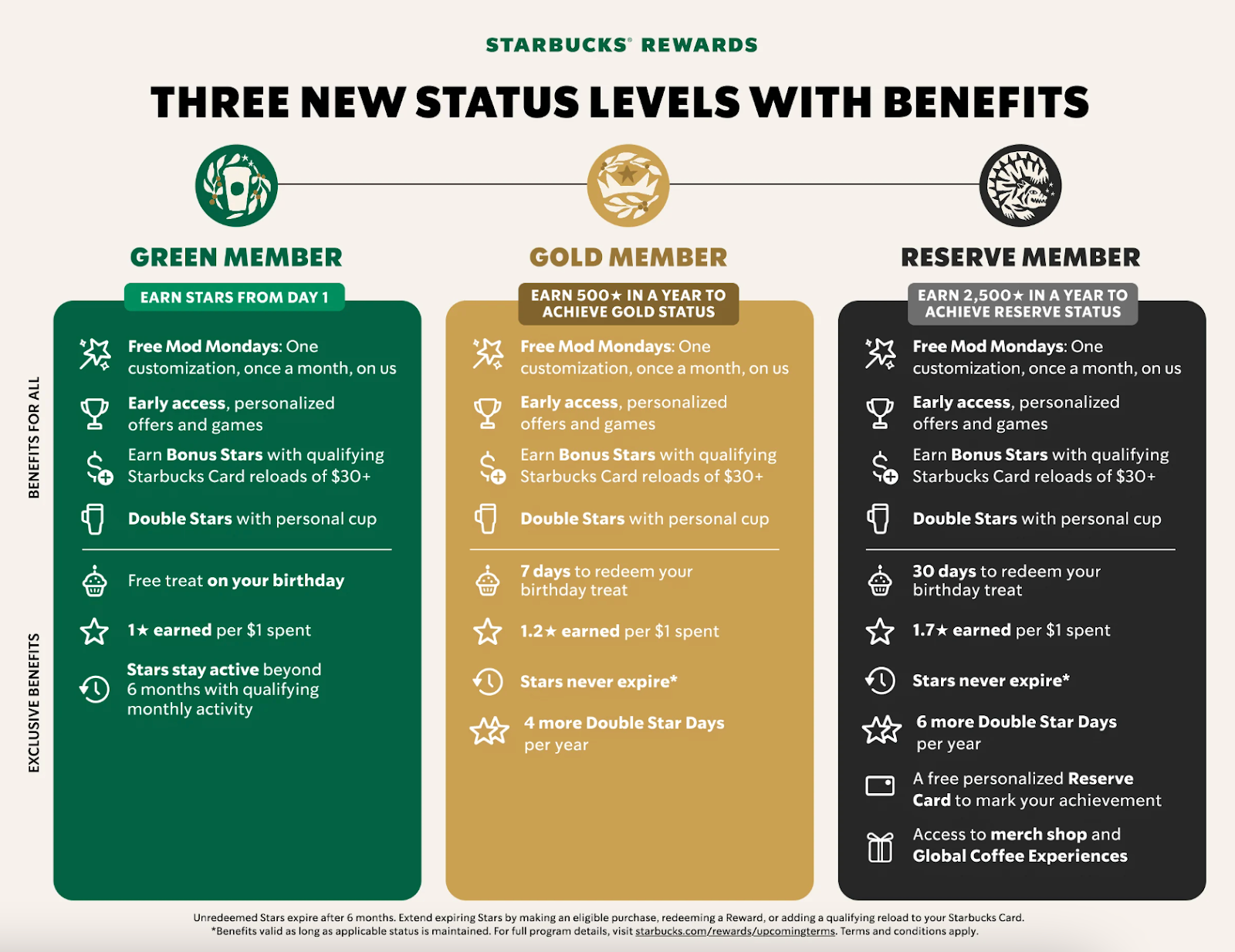
Starbucks Rewards has become the gold standard for gamified loyalty programs. With over 34 million active members, it's one of the most successful implementations of gamification in retail.
How it works:
- Customers earn "Stars" for every purchase
- Stars accumulate toward free drinks, food, and merchandise
- Three membership tiers (Green, Gold, and now simplified tiers) create progression
- "Double Star Days" and bonus challenges create urgency
- Progress bars show how close customers are to their next reward
Why it works: Starbucks taps into multiple psychological drivers—the desire for progress (watching stars accumulate), loss aversion (stars expire, motivating action), and exclusivity (Gold member perks). The visual progress bar creates what psychologists call the "endowed progress effect"—when people feel they've already started toward a goal, they're more motivated to complete it.
Results: 27% of all Starbucks transactions now flow through the mobile app, and Rewards members spend significantly more than non-members.
3. MASA Chips — Progressive rewards & brand storytelling
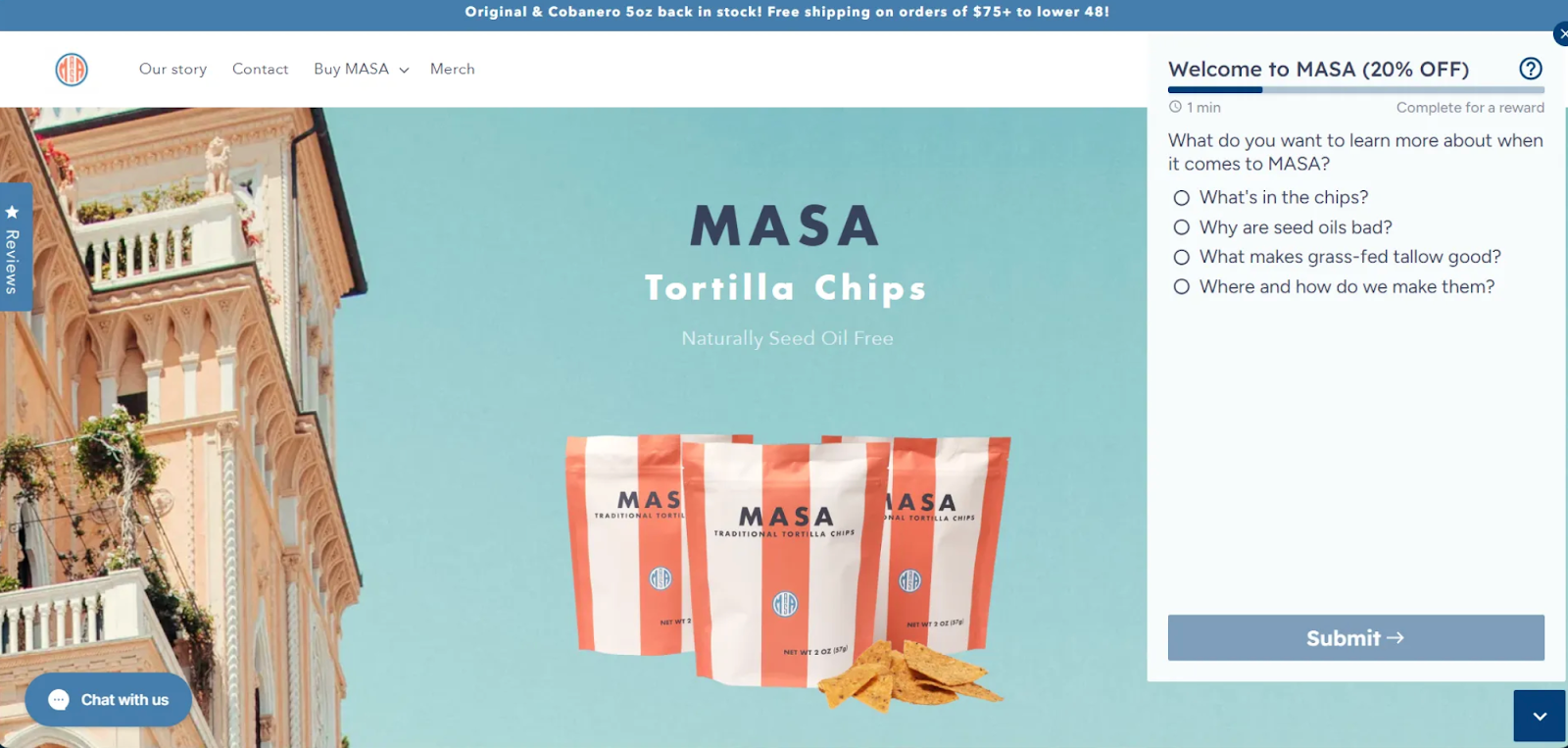
MASA Chips uses a "progressive" gamification strategy to move visitors from curious browsers to loyal buyers. Instead of a simple "take it or leave it" offer, they reward users for deeper engagement with their brand values.
How it works:
- Visitors get an instant 10% discount but can "level up" to 20% by engaging with the brand story.
- High-contrast buttons like "Unlock My Discount" turn the signup process into a rewarding game.
- Shoppers earn better rewards as they learn about MASA’s ingredients and healthy oils.
- Powered by Alia, the experience triggers at the perfect moment to maximize engagement without disrupting the shop.
Why it works: This approach leverages the power of "earned" rewards. Psychologically, customers value a 20% discount more when they have worked to "reveal" it. By the time the user reaches the checkout, they aren't just looking for a deal—they are educated on why MASA Chips are superior to the competition, making them 46% more likely to complete the purchase.
The Results: By switching to this gamified story approach, MASA Chips saw a 127% increase in signups and a 46% increase in purchase rates. You can see the full breakdown in the Masa Chips Alia case study.
Key insight: Use a progressive CTA. Giving customers a way to "level up" their reward through education turns a standard transaction into a high-converting experience.
4. Nike — Turning fitness into competition
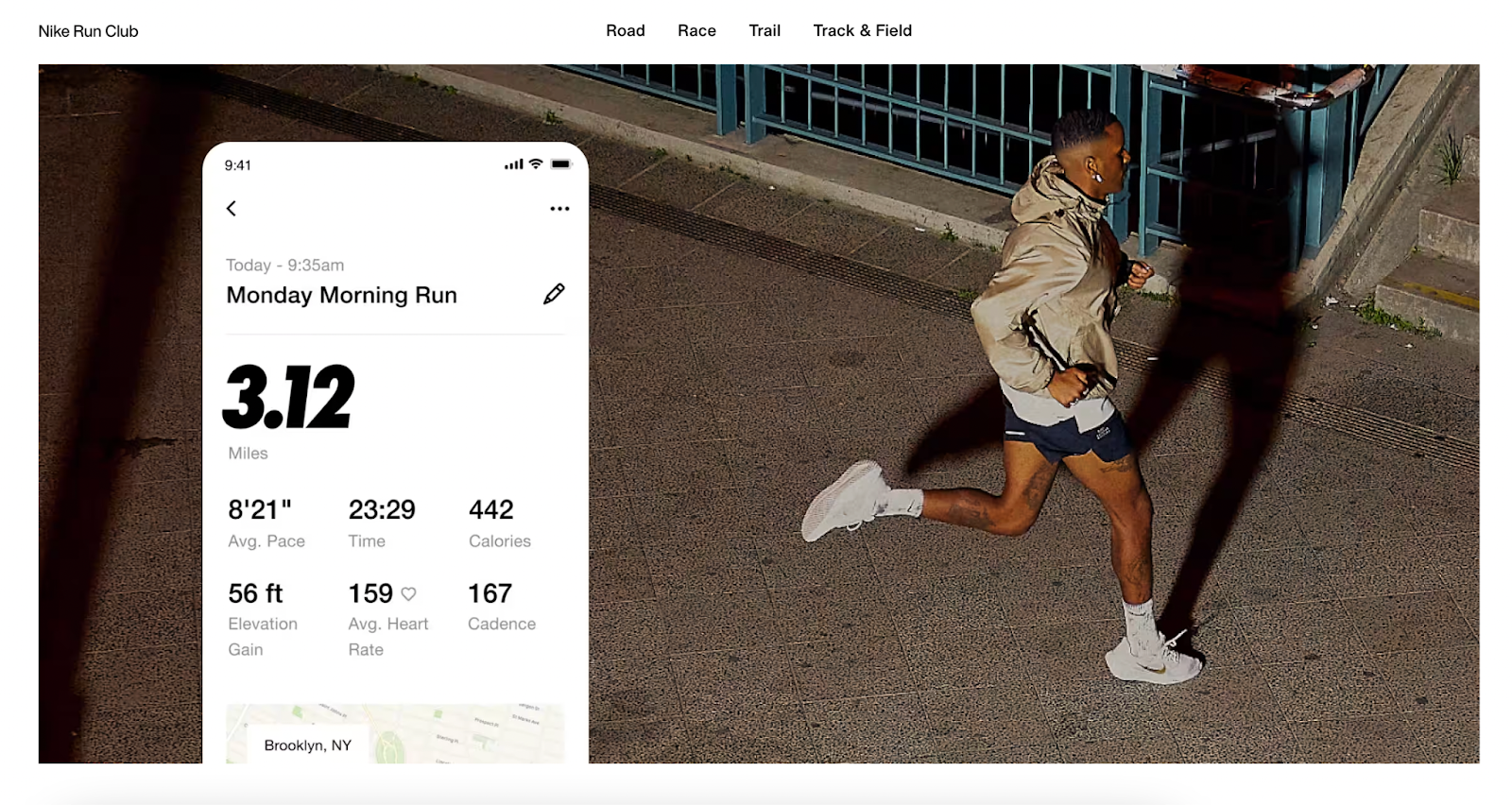
Nike's gamified ecosystem extends far beyond selling shoes. Through the Nike Run Club and Nike Training Club apps, the brand has created an entire lifestyle platform built on gamification.
How it works:
- Users track workouts, runs, and training sessions
- Achievements unlock badges and milestones
- Leaderboards let friends compete against each other
- Challenges (like monthly running goals) create community events
- Integration with Nike products tracks performance metrics
Why it works: Nike ties gamification directly to product use. Every pair of Nike shoes becomes a tool for achievement. This creates emotional investment that goes far beyond a transactional relationship—customers become part of a community of athletes working toward personal bests.
Key insight: Nike doesn't gamify shopping; they gamify the experience of owning Nike products. This is a crucial distinction that builds long-term brand loyalty.
5. Sephora — Beauty insider tiers: more rewards when you spend more
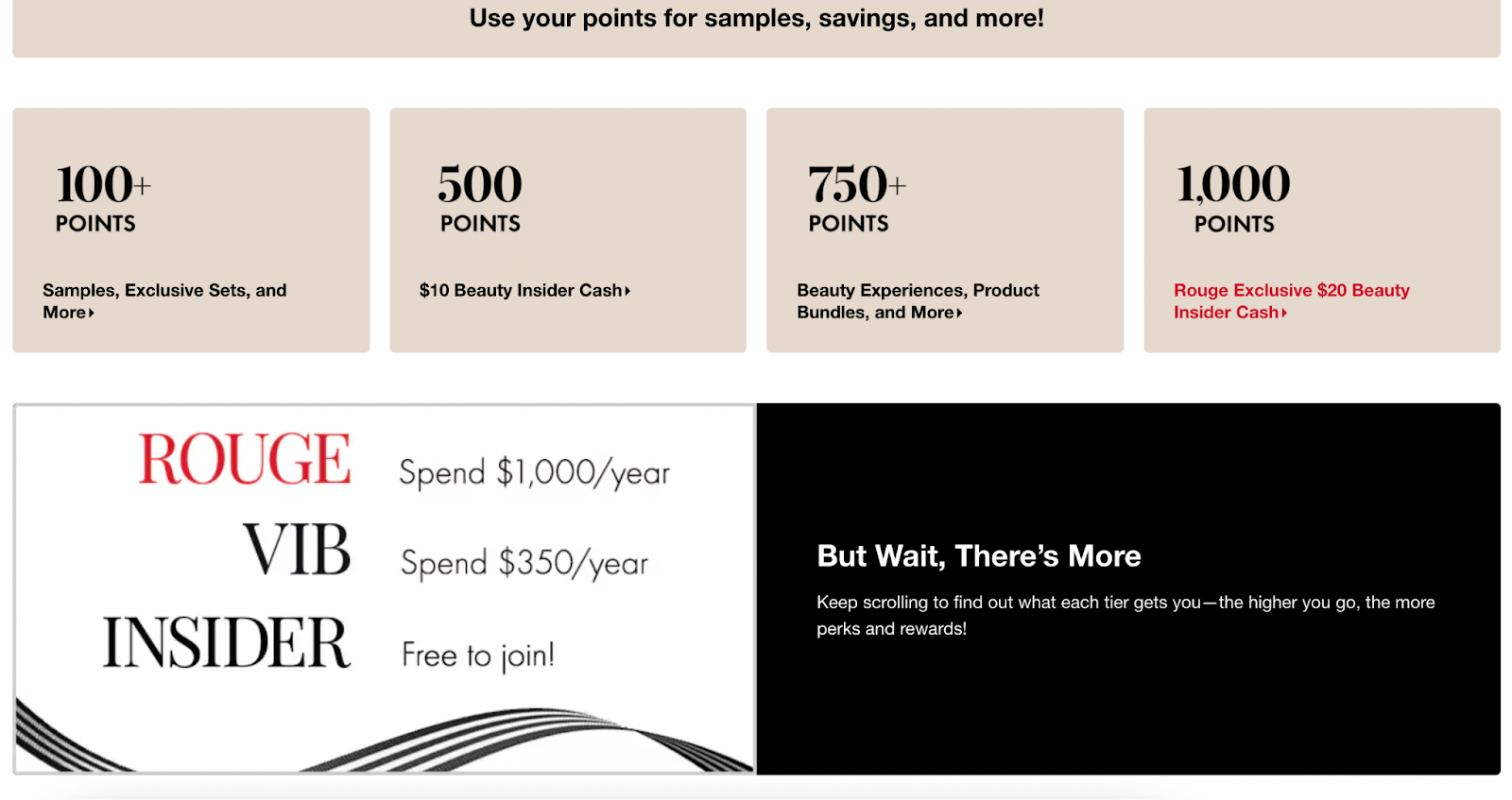
Sephora's Beauty Insider program demonstrates how tiered rewards can create aspirational engagement. With three tiers—Insider, VIB, and Rouge—customers have clear goals to work toward.
How it works:
- Points earned on every purchase
- Three tiers based on annual spending ($0, $350, $1,000)
- Higher tiers unlock exclusive perks: early product access, free shipping, exclusive events
- Birthday gifts and seasonal savings multiply engagement
- Points can be redeemed for products in the "Rewards Bazaar"
Why it works: The tier system creates what gamification experts call "status mechanics." Customers don't just want rewards—they want to be a Rouge member. The social proof of achieving top-tier status becomes its own reward.
Results: Beauty Insider members account for approximately 80% of Sephora's annual sales.
6. Graza — Quiz-based cooking personalization
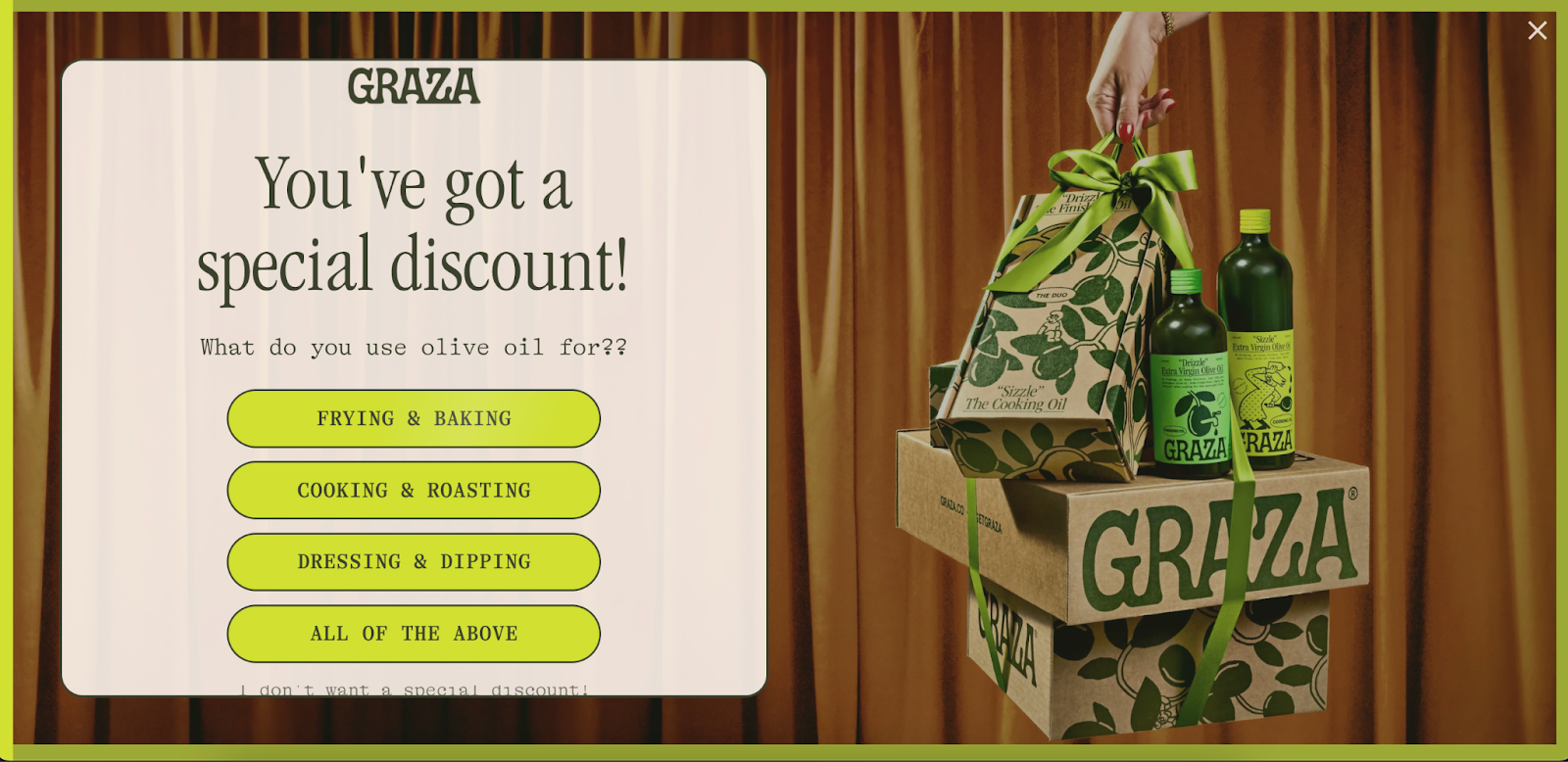
Olive oil brand Graza demonstrates how product quizzes can gamify the discovery process while collecting valuable customer data.
How it works:
- Interactive popup quiz asks about cooking preferences
- Personalized product recommendations based on answers
- Email capture integrated seamlessly into the quiz flow
- Results feel earned rather than pushed
Why it works: Quizzes tap into our natural curiosity and desire for personalization. Customers want to answer questions about themselves and see tailored recommendations. The quiz format makes data collection feel like a game rather than a marketing tactic.
Results: After implementing gamified quizzes with Alia Popups, Graza saw email signup rates jump from 4.5% to 13.8%, with SMS opt-ins reaching 6.2%.
7. H&M — Reward for more than just spending
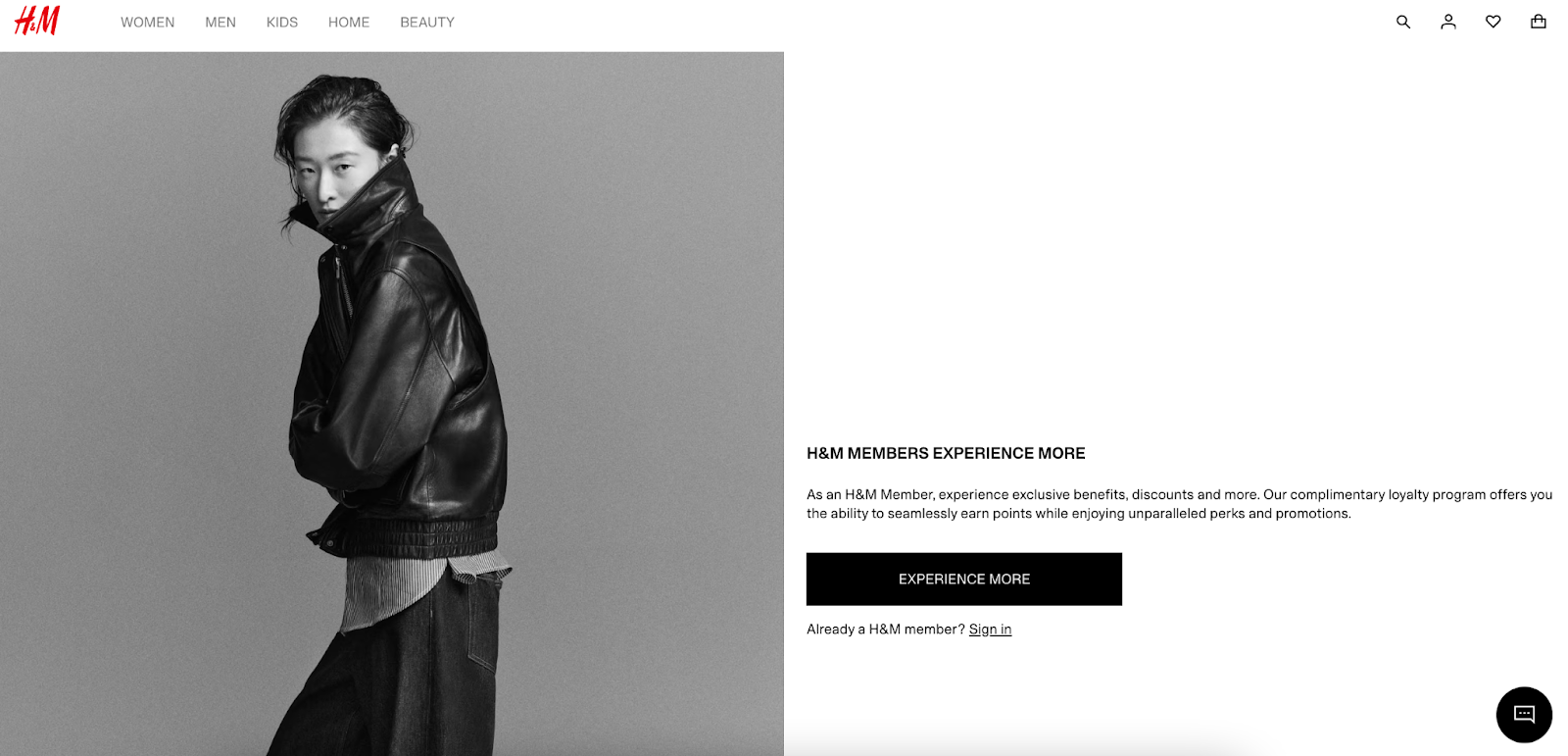
H&M’s loyalty program uses a tiered "Core vs. Plus" system to turn casual shoppers into brand insiders. By rewarding both spending and sustainable actions, they’ve created a community-driven experience that feels more like a club than a store.
How it works:
- Tiered Progression: Members start at "Core" and unlock the "Plus" world after earning 500 points.
- Points for Perks: Earn 1 point for every $1 spent; every 250 points unlocks a $5 reward.
- Conscious Rewards: Get a 15% off reward just for dropping off old clothes in-store for recycling.
- Exclusive Access: Plus members get premium giveaways, early access to limited "drops," and special experiences.
Why it works: H&M uses status mechanics to drive engagement. The jump from Core to Plus creates a goal for shoppers to chase, while "Early Access" creates a sense of VIP exclusivity. By rewarding clothes recycling, they also align the "game" with customer values—making shoppers feel good about their contribution while driving them back into the store.
Key insight: The most effective gamification rewards more than just a purchase. When you reward behavior—like recycling or profile completion—you build a habit, not just a transaction.
8. Amazon — Invisible games so you spend a bit more
Source: Remazing
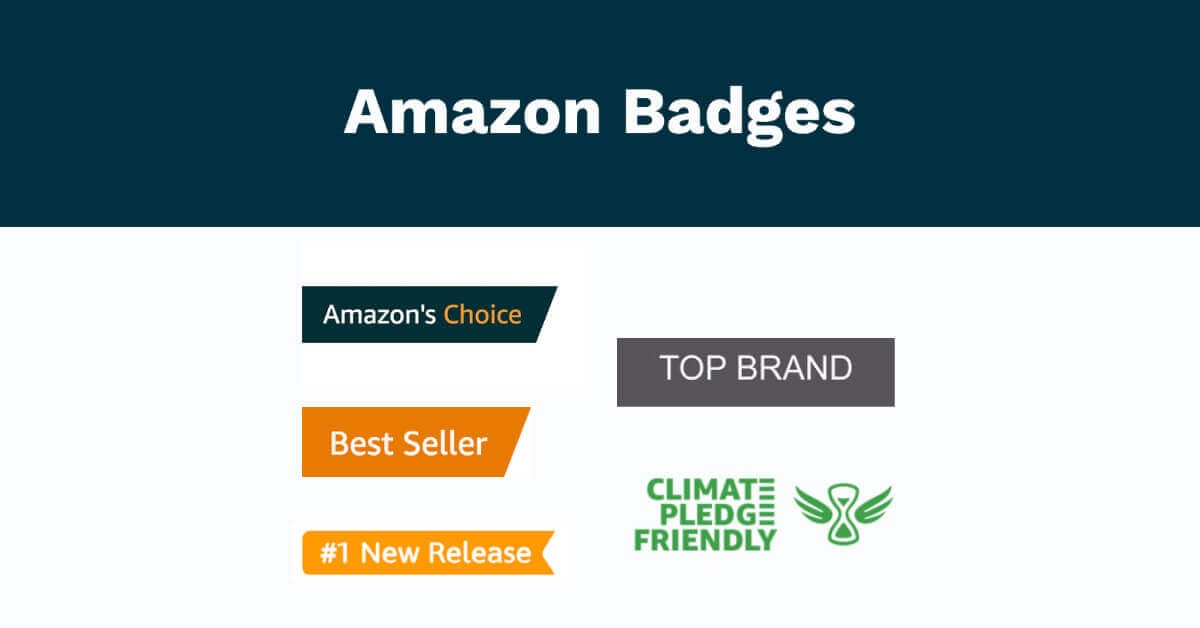
Amazon doesn't use obvious game mechanics, but subtle gamification is woven throughout the shopping experience. It's what gamification expert Yu-kai Chou calls "implicit gamification"—so seamless you don't notice it.
Hidden game mechanics:
- Progress bars: "You're $12 away from FREE shipping" creates goal-seeking behavior
- Prime badges: Exclusive status for members
- Review rankings: Top Reviewer badges motivate user-generated content
- Lightning Deals: Countdown timers and limited quantities create urgency
- Recommendations: "Customers who bought this also bought..." creates discovery gameplay
Why it works: Amazon proves that gamification doesn't need to be flashy. Small psychological nudges—like showing how close you are to free shipping—can dramatically impact behavior without feeling gimmicky.
Results: Amazon's subtle gamification contributes to industry-leading conversion rates and customer lifetime values.
If you’re looking for more ways to nudge shoppers toward the finish line, check out these 7 steps to building a killer website conversion funnel.
9. Firebelly Tea — Shopify’s president uses this popup app to deploy gamified brand lessons
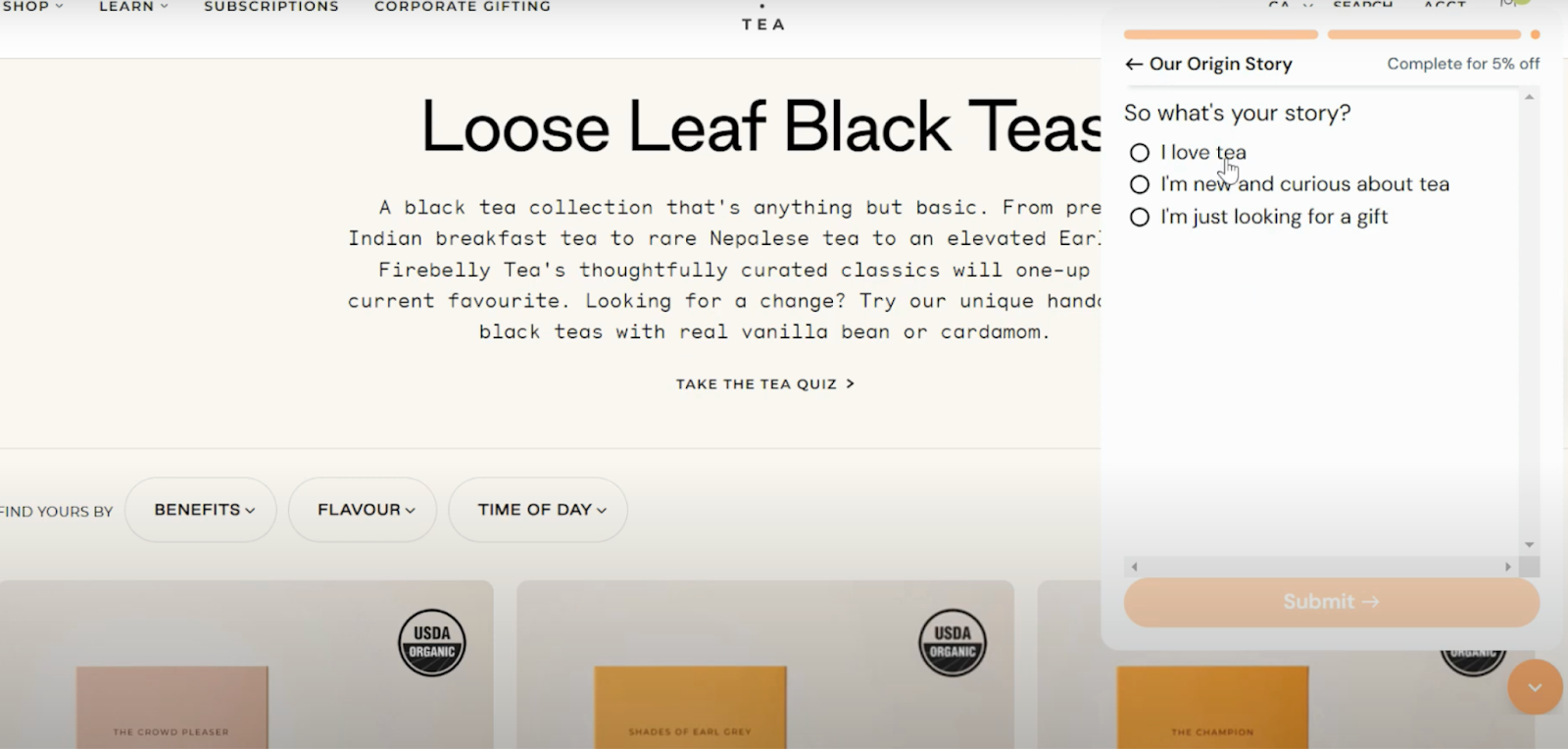
Firebelly Tea, co-founded by the President of Shopify, proves that the best way to sell a premium product is to turn brand education into a game. Instead of hoping visitors read their "About Us" page, they use interactive lessons to reward shoppers for learning.
How it works:
- Shoppers complete three quick "lessons" about the brand's origins, tea quality, and sustainability.
- Engagement is incentivized—completing the first lesson earns a 5% discount, while finishing all three unlocks a 15% reward.
- During the lessons, visitors answer survey questions about their tastes (like a preference for black tea), which Firebelly uses to stock new products and send targeted emails.
- Powered by Alia, the experience is only shown to new visitors to maximize its impact on fresh traffic.
Why it works: Firebelly transforms passive browsing into active participation. By "earning" their discount through education, customers feel more invested in the brand. This strategy moves beyond generic discounts and builds authority, making it especially effective for products that require a bit of "know-how" before buying.
Key insight: If your product has a story, don't just tell it—reward your customers for hearing it. Gamifying education builds trust and data simultaneously.
The Results: This gamified approach led to a 42% increase in store-wide conversions and a 13% jump in sign-ups.
The President of Shopify's brand saw 2.2x more sign-ups and $13K incremental revenue with Alia
INCREASE IN EMAIL SIGN-UPS
PURCHASE RATE (UP FROM 14%)
INCREMENTAL REVENUE VS KLAVIYO
"We removed the quiz and the email popup—Alia outperformed them both."
"Alia is a clear win and we plan to keep testing new features."
Install Alia
Launch first popup in 5 minutes
10x your list

10. Temu — A digital arcade for rewards and discounts so customers can spend more
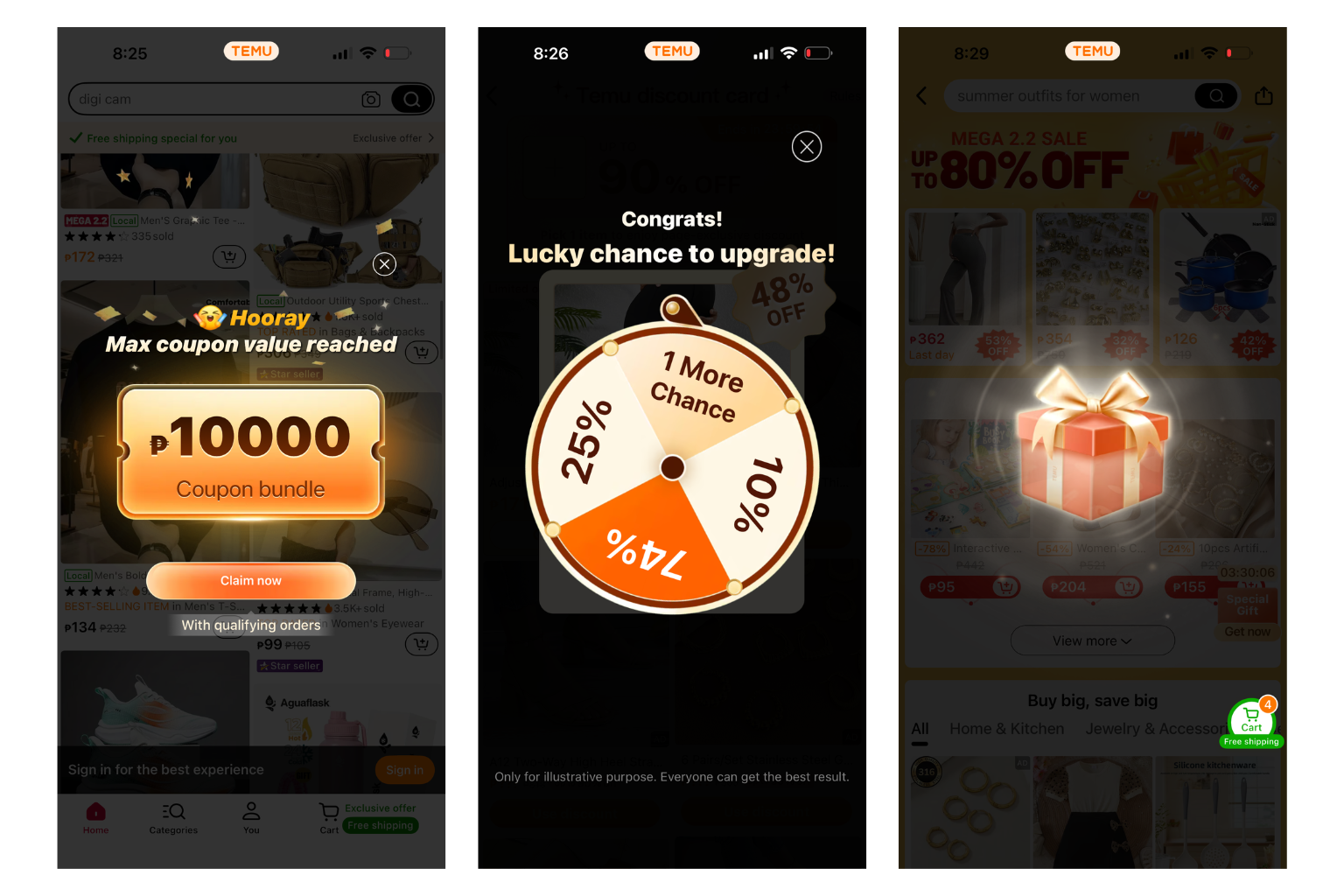
Chinese ecommerce giant Temu has taken gamification to the extreme, using nearly every game mechanic in the playbook to drive explosive growth in Western markets.
How it works:
- Daily login bonuses: Coins and credits for opening the app each day
- Spin wheels and scratch cards: Multiple chances to "win" discounts daily
- Referral challenges: Free products (including gaming consoles) for referring friends
- Lightning deals: Countdown timers create urgency on already-low prices
- Price drop notifications: Gamified "watching" system for desired items
- Team buying: Group purchase discounts encourage social sharing
Why it works: Temu layers multiple gamification mechanics simultaneously, creating an almost addictive shopping experience. The constant rewards—even small ones—trigger dopamine responses that keep users coming back. Their referral program is particularly aggressive, offering high-value prizes that feel achievable.
Key insight: While Temu's approach may feel overwhelming for some brands, it demonstrates the raw power of gamification. Even implementing one or two of their mechanics can significantly boost engagement. A notable extension of this strategy is the temu affiliate program, which further accelerates growth by rewarding users for driving new traffic and conversions through personalized sharing links.
11. Fenty Beauty — Shade finder quiz to help you find the perfect match
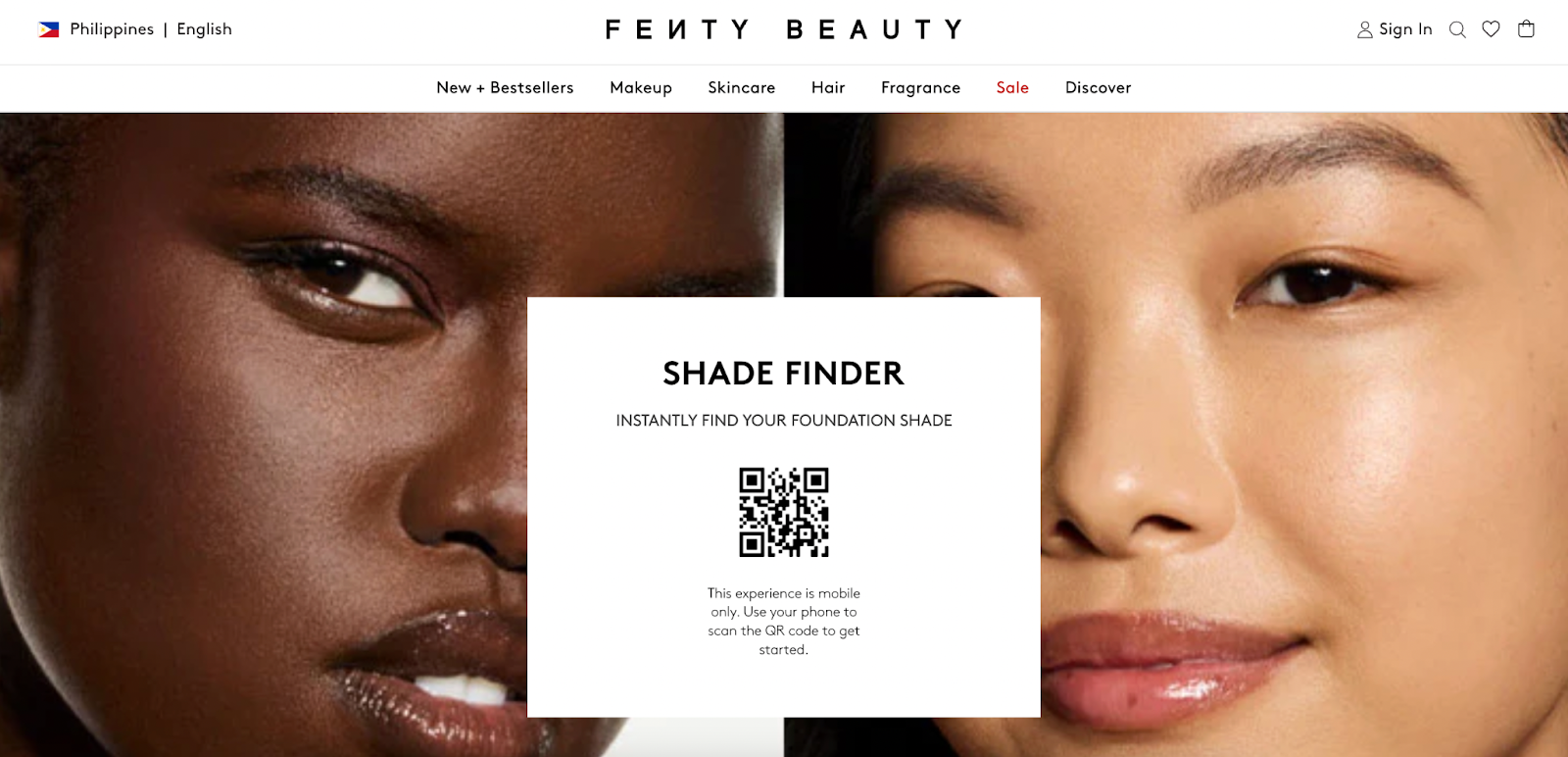
Fenty Beauty uses interactive quizzes to solve the "matching" struggle—one of the biggest barriers to buying makeup online. By turning a complex decision into a guided, gamified experience, they build instant trust.
How it works:
- Visual Quizzes: Users answer a series of quick, visual questions about their skin tone and undertones.
- Personalized Results: The quiz provides an exact product match, often with "before and after" photos for social proof.
- Shade-Matching Tech: Integration with AR (Augmented Reality) allows users to "try on" the shade through their camera.
- Progressive Data: The quiz results are saved to the user's profile to personalize future emails and recommendations.
Why it works: This is "solution-based" gamification. Instead of feeling like a boring form, the quiz feels like a consultation with an expert. It reduces "choice paralysis" (the stress of too many options) and gives the customer the confidence to click "buy" without trying the product in person.
Key insight: If your product is hard to choose, gamify the selection process. A quiz is a fun way to provide a personalized recommendation while collecting valuable data for your marketing—whether you're matching foundation shades or helping customers select the right trampolines for backyards based on space, safety needs, and family size.
12. Adidas — Creators club community that rewards you for just being a fn
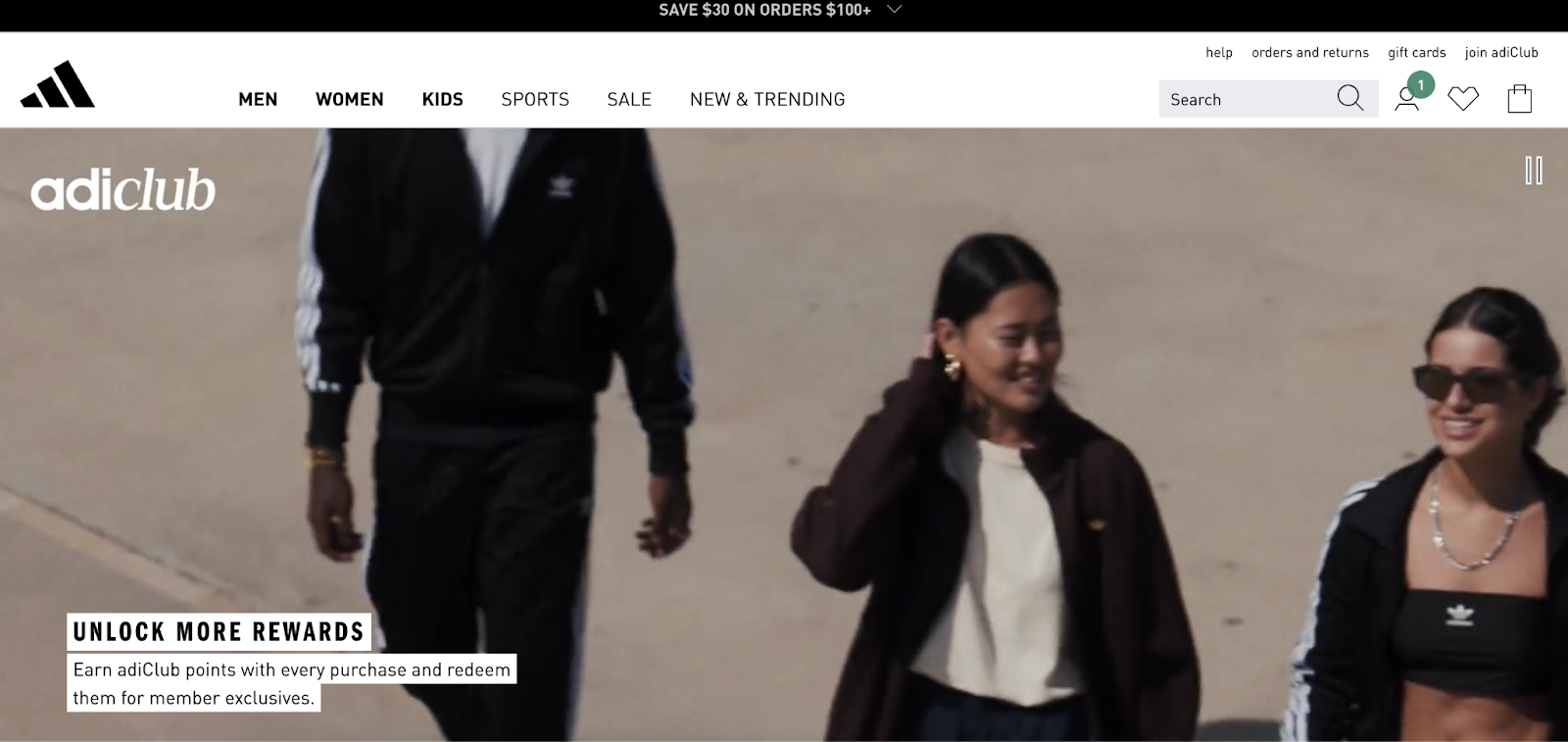
Adidas Creators Club goes beyond traditional loyalty to create a gamified community experience that rewards engagement across multiple touchpoints.
How it works:
- Points earned for purchases, reviews, and social engagement (not just spending)
- Four tiers with increasing benefits and exclusivity
- Early access to product drops and limited editions
- Invitations to member-only events and experiences
- Challenges and missions for bonus points
- Integration with Adidas running and training apps
Why it works: Adidas rewards engagement, not just purchases. Writing a review, attending an event, or completing a workout all earn points. This creates a community of active participants rather than passive buyers. The tier system adds aspiration—members want to reach "Icon" status for the exclusive benefits.
Key insight: By gamifying actions beyond purchasing, Adidas builds relationships with customers even when they're not buying. This keeps the brand top-of-mind and builds genuine loyalty.
With Alia, we've seen a massive lift in new customer acquisition—sign-ups are up 260%, and we've exceeded our Black Friday revenue goal by 25%.
The quality of leads is way better—we're converting at 43% after sign-up, which has had a huge impact on our bottom line. The funnel asks customers what their priority issue is, and even if they don't convert right away, we can retarget them later with highly relevant campaigns.

13. G Pen — Quizzes to help you navigate their products
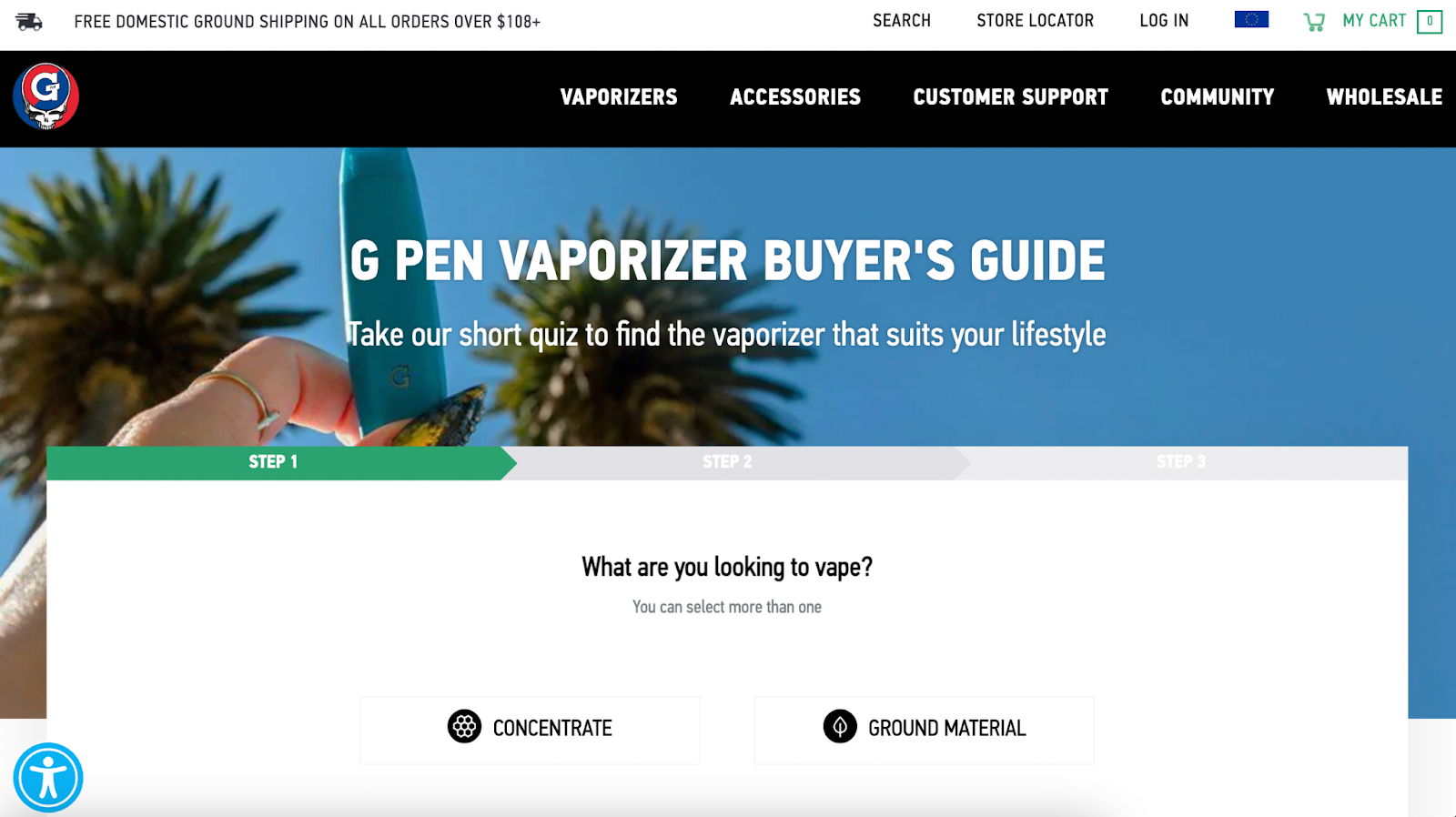
G Pen uses gamification to simplify the complex world of vaporizers. By transforming a potentially overwhelming technical catalog into an interactive discovery game, they guide customers toward the perfect purchase.
How it works:
- A series of fast-paced questions asks about usage habits, portability needs, and material preferences.
- As users answer, the "game" narrows down hundreds of options to three personalized recommendations.
- After finding their match, users are offered a "reveal" discount to complete their purchase.
Why it works: G Pen leverages Guided Discovery. Instead of leaving customers to guess which technical specs they need, the brand takes the lead. This reduces "choice paralysis" and makes the customer feel like they’ve received a custom consultation. The result is a more confident buyer and a significantly lower return rate.
Key insight: If your product line is technical or diverse, gamify the selection process. A quiz is a fun, low-pressure way to capture data and move shoppers closer to a checkout they feel good about.
14. IKEA — Augmented reality & the "IKEA Kreativ" design game to decorate your room
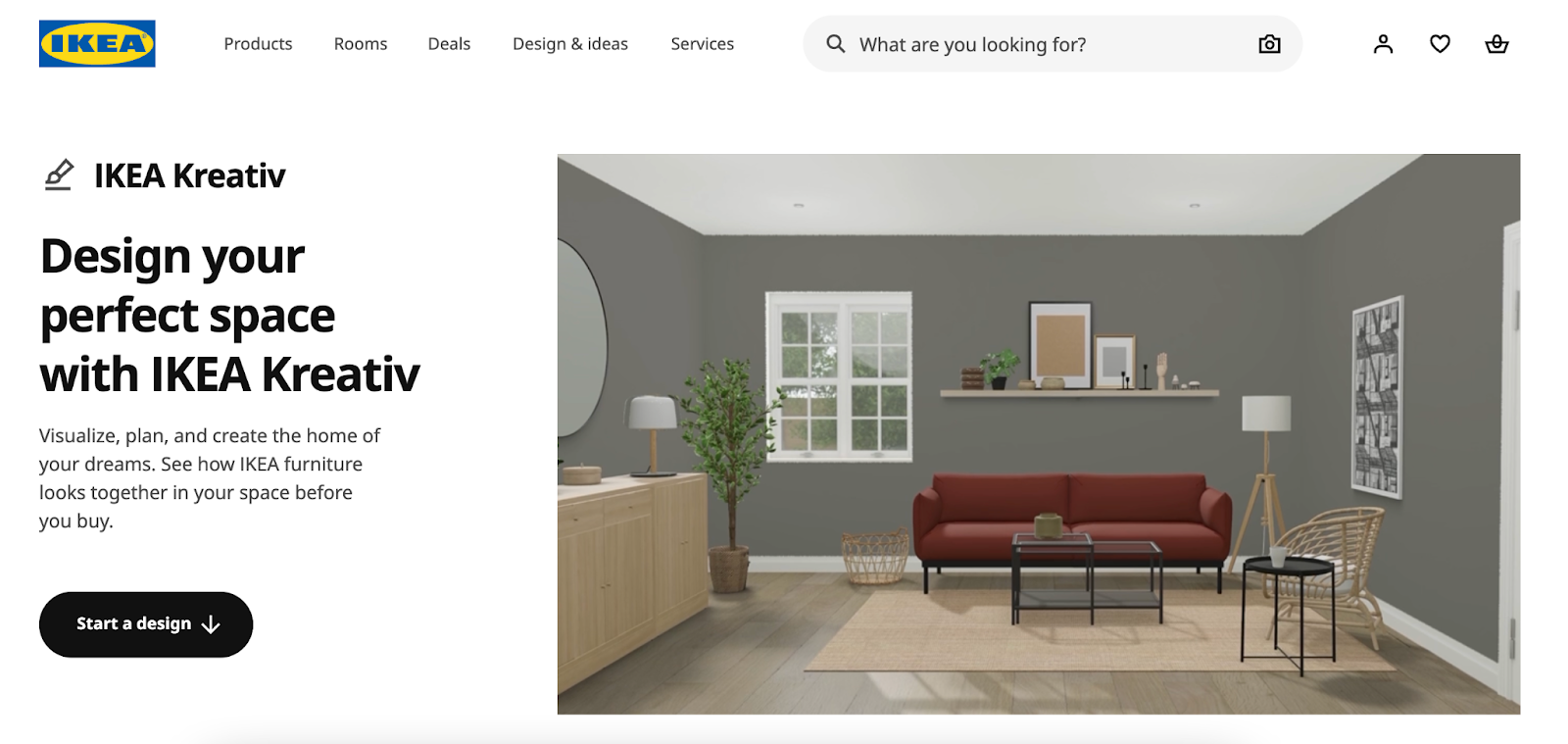
IKEA has mastered "Experience Gamification" by turning furniture shopping into a digital playground. Through their AR tools, they allow customers to visualize and "play" with their home layout before spending a dime.
How it works:
- Customers use the app to scan their rooms and "delete" existing furniture to start with a blank slate.
- Users "place" 3D IKEA products in their actual space, swapping colors and styles in real-time.
- Much like sharing a high score, users can save and share their designs with friends to get "votes" or feedback.
- Designs saved in the app sync with in-store shopping lists, making the transition from "playing" to "buying" seamless.
Why it works: IKEA removes the fear of a bad purchase. By turning the planning phase into a creative game, they keep users engaged for longer sessions. It taps into our natural desire to create and customize, transforming a stressful chore (measuring and planning) into a fun, low-stakes design challenge.
Key insight: The best gamification adds value by solving a problem. If you can help your customers "rehearse" their life with your product, they are far more likely to commit to the purchase.
15. eBay — The thrill of the auction
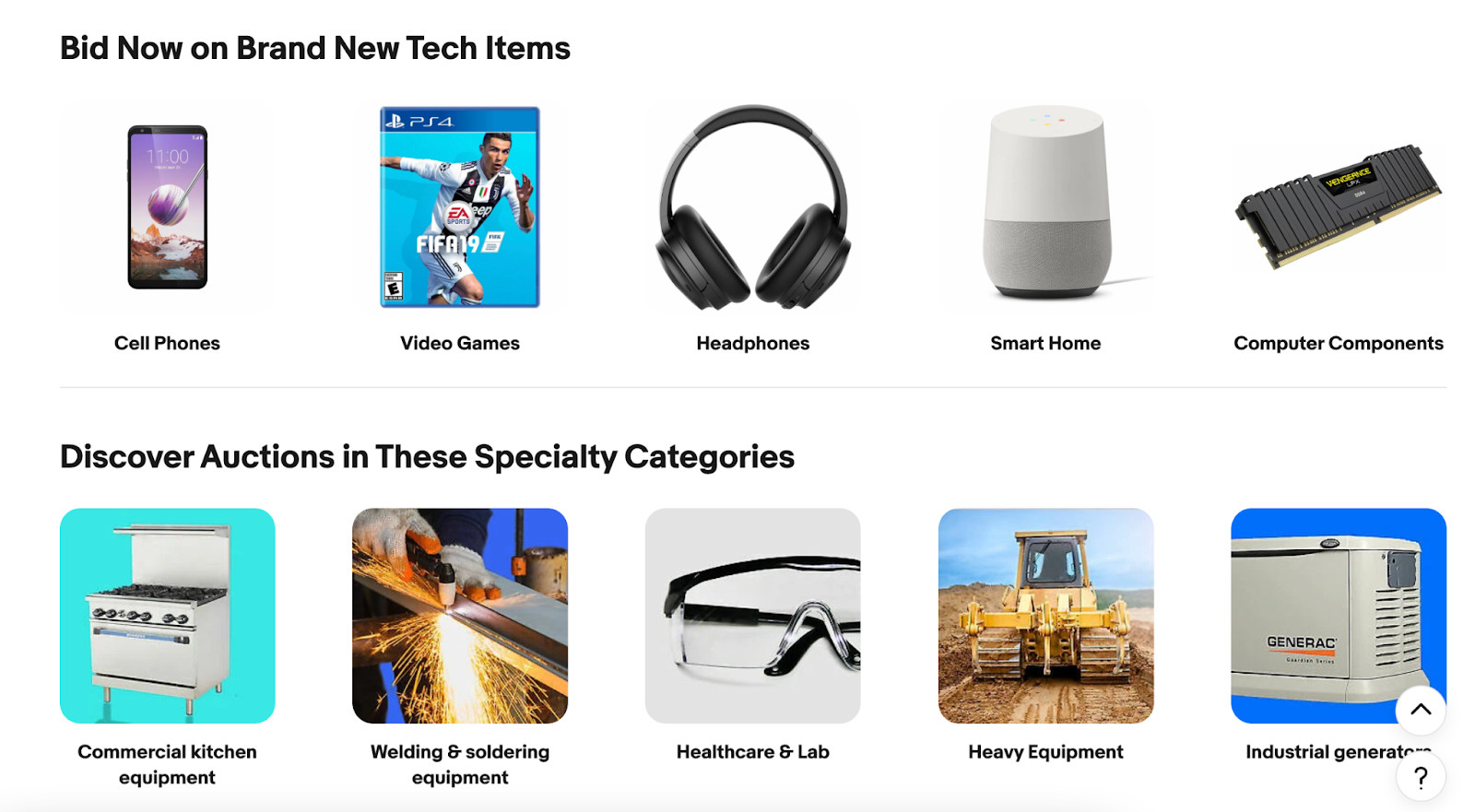
While often overlooked in gamification discussions, eBay was one of the earliest and most successful implementations of game mechanics in ecommerce. The auction model transforms buying into competing.
How it works:
- Competitive bidding creates urgency and emotional investment
- Countdown timers build tension
- "Watching" items creates anticipation
- Seller ratings and buyer feedback create reputation systems
- Star rankings reward prolific users
Why it works: When you win an eBay auction, you didn't just buy something—you won it. This psychological shift is powerful. The competitive element triggers our innate desire to compete and achieve, while the countdown timer creates scarcity pressure.
Key insight: eBay proves that gamification doesn't require badges or points. The core mechanic of competition itself is a game.
How to Implement Gamification for Your Store
These examples share common threads that any ecommerce brand can apply:
Start with Psychology, Not Mechanics
Don't just add a spin wheel because it looks fun. Understand why gamification works:
- Progress: People want to see advancement toward goals
- Achievement: Earning rewards feels better than receiving them
- Scarcity: Limited availability increases desire
- Competition: Social comparison drives action
- Curiosity: Mystery and unpredictability engage attention
Choose the Right Entry Point
The biggest impact often comes at the first touchpoint—when visitors decide whether to engage with your brand. This is why popup gamification (quizzes, mystery discounts, educational content) often delivers faster ROI than loyalty programs.
If you're just starting out, you can learn how to add pop-ups on Shopify in under 10 minutes to begin testing these mechanics immediately.
Test and Optimize Continuously
The difference between successful and unsuccessful gamification is iteration. What works for Sephora may not work for your brand. Continuous testing is essential to see what resonates with your specific audience. You can explore our templates to see various gamified starting points.
The Easiest Way to Add Gamification: AI-Powered Popups
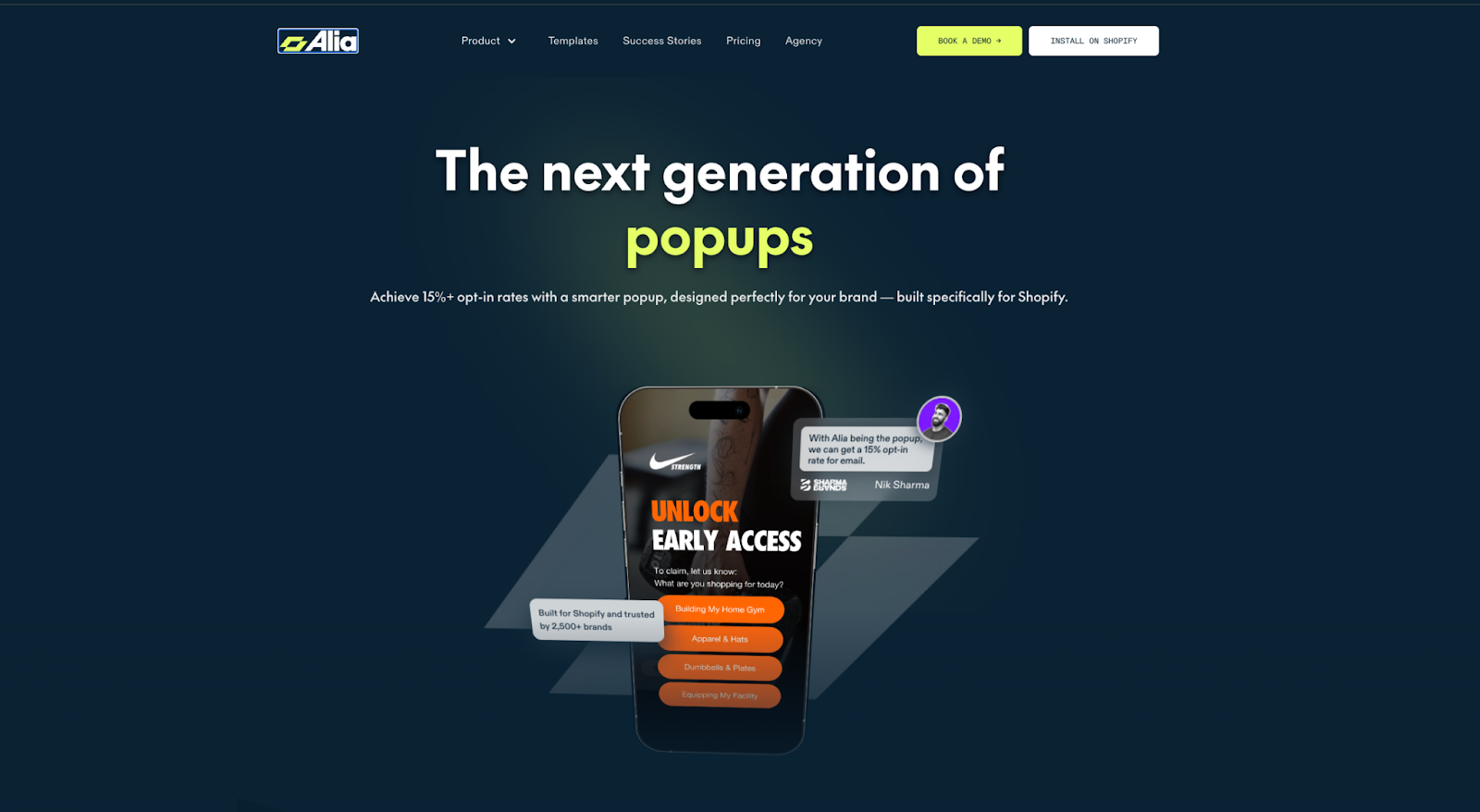
For Shopify brands looking to implement gamification quickly, Alia Popups offers the most efficient path. Unlike traditional popup tools that require manual A/B testing, Alia uses AI to automatically optimize your popup performance.
What makes Alia different:
- Smart Testing: AI generates variants, picks winners, and starts new tests automatically—no manual work required
- Smart Triggering: Proprietary algorithms show popups at the optimal moment for each visitor
- Zero-Party Data Collection: Built-in quizzes and popup surveys capture valuable customer insights
- Brand Storytelling: Full-screen designs let you educate customers, not just collect emails
Alia integrates with all major email providers (Klaviyo, Omnisend) and SMS platforms (Attentive, Postscript), with setup taking as little as 30 minutes.
Step up your game with gamified popups for your store
Gamification is no longer a "nice-to-have" feature; it is the new standard for digital growth. Whether it’s the competitive thrill of an eBay auction or the rewarding progress of a Starbucks star, the most successful brands understand that shopping should feel like an achievement, not a chore.
The secret to winning at gamification is starting early. You don't need a million-dollar app to get results—you just need to transform your very first interaction. By turning a static popup into a personalized quiz, a mystery reveal, or a brand story, you invite customers to play rather than just browse.
Ready to gamify your growth?
If you’re on Shopify and ready to put these mechanics to work, Alia is the easiest way to start. It uses AI to automate the "game" of A/B testing and smart triggering, ensuring your store always shows the right message at the perfect time.
Try Alia Popups today and see why top brands are switching to AI-powered engagement. Book a demo to see the platform in action.