


How Premium Brands Use Gamified Popups Without Looking Gimmicky
Published on September 16, 2026 by the Alia Team
Your popup is not separate from your brand. It is the first interactive moment a new visitor has with it. For premium and high-AOV e-commerce brands, that moment carries disproportionate weight, and the instinct to avoid gamification entirely is understandable. A multicolored spin wheel plastered over a carefully art-directed storefront can undo in two seconds what your product photography and copy spent months building. But avoidance is not the answer. The answer is execution. This guide covers exactly how premium brands approach gamified popups in 2026: which mechanics fit a high-AOV context, how to design and position them without undermining brand equity, what rewards to offer instead of reflexive discounts, and how Alia's AI-powered platform helps brands like HexClad and Kopari run gamified capture that looks and converts like it belongs there.
What Gamified Popups Are and Why Premium Brands Are Reconsidering Them
A gamified popup is any email or SMS capture experience that incorporates an interactive mechanic, such as a spin wheel, scratch card, mystery reveal, pick-a-gift, or product quiz, in place of a static form. The mechanic creates a moment of participation before the opt-in, which changes the psychological dynamic of the exchange. Instead of asking a visitor to hand over their contact information in return for a passive offer, a gamified popup invites them to do something first. That small act of engagement increases investment in the outcome and typically lifts conversion rates well above what static popups achieve. The concern that these formats are inherently cheap or gimmicky is a legitimate one, but it conflates poor implementation with the mechanic itself. The mechanism is neutral. What makes it feel gimmicky or premium is almost entirely determined by design quality, reward framing, trigger timing, and whether the mechanic fits the emotional register of the purchase. Alia is built to give premium e-commerce brands full control over every one of those variables.
Why Gamified Popups Matter for High-AOV Brands in 2026
The average popup conversion rate across ecommerce benchmarks sits in the low single digits. Premium brands running static, set-it-and-forget-it popups often land at the lower end of that range, between 1% and 3%, because their visitors are slower to convert and more sensitive to brand inconsistency. That is not a ceiling; it is a compounding cost. Every percentage point of opt-in rate you leave on the table is a subscriber you paid to acquire through paid social, organic search, or influencer traffic, and then failed to capture. Gamified formats consistently outperform static ones. A 2025 analysis of over 26,000 campaigns found that spin-to-win popups converted at 8.67% on average, compared to 3.70% for popups without any gamification mechanic. For premium brands, the formats that perform best are the ones that feel least like a casino: scratch cards, mystery reveals, and pick-a-gift interactions that prioritize tactile engagement over visual noise. The question in 2026 is not whether gamification works for premium brands. It is which mechanics, which rewards, and which execution choices protect the brand while moving the number. That is exactly the problem Alia was designed to solve.
Common Challenges Premium Brands Face with Gamified Popups
Most premium brands that have experimented with gamified popups and pulled back did so because of execution failures, not mechanic failures. Understanding where things go wrong is the prerequisite for getting them right.
The Four Friction Points That Make Gamified Popups Feel Cheap
Off-brand visual design: A popup that uses your brand's color palette, typography, and layout language signals that the interaction is intentional and cohesive. A generic template with clashing fonts and stock illustrations signals the opposite. For premium DTC brands in fashion, jewelry, and beauty, visual inconsistency does not just look bad. It actively erodes the trust your product photography and copywriting spent months building. The design bar for a gamified popup is the same as for the rest of your storefront.
The wrong mechanic for the purchase context: A brightly colored spinning wheel works for apparel and beauty brands where discovery-based shopping and impulse purchases are common. It struggles with high-consideration, high-trust purchases where the customer is doing research and wants to be treated as an informed buyer. The mechanic needs to match the emotional register of the product. A scratch card or mystery reveal creates the same psychological engagement with a significantly quieter visual footprint, which is why these formats are frequently the better fit for premium and luxury-adjacent brands.
Rewards that undermine perceived value: Offering 3% off on a $400 product is not just ineffective. It signals that the brand does not understand the value of its own product. Small discounts feel patronizing at high price points, and reflexive percentage-off offers can train your subscribers to wait for markdowns rather than buy at full price. Premium brands that use gamified popups most effectively either offer meaningful percentage discounts with purchase minimums, non-monetary rewards like early product access, or curated samples and gifts that add value without cutting into margin or brand equity.
Poor trigger timing: A popup that fires within one second of landing on a site interrupts before any relationship is established. On high-AOV sites where the shopper is browsing with intent, this creates friction at exactly the wrong moment. Smart, behavior-based triggering that waits for the visitor to demonstrate engagement before surfacing the popup produces materially better conversion rates and a significantly less disruptive experience.
Indiscriminate audience targeting: Showing the same gamified popup to a first-time visitor arriving from a paid ad and a returning customer who has already purchased is a missed opportunity at best and a brand inconsistency at worst. Premium brands need targeting precision to show the right mechanic to the right visitor and suppress gamified popups entirely for existing subscribers and loyal customers who deserve a different message.
When these variables are controlled, the concern about looking gimmicky dissolves. What remains is a high-performing capture format that fits the brand without compromising it.
What to Look for in a Gamified Popup Platform for a Premium Brand
Not every popup platform is built to the standard that a premium brand requires. Most tools in this space offer templates and basic customization. The gap between a template-based experience and a pixel-perfect, brand-matched interaction is immediately visible to a visitor who has spent time on a high-quality storefront. Here is what actually matters when evaluating a platform.
Must-Have Features for High-AOV Brand Contexts
Pixel-perfect design control: You need the ability to use your exact brand fonts, color values, spacing, and layout, not approximations based on what the template allows. For premium brands, the popup should be indistinguishable in visual quality from the rest of the site.
Mechanic flexibility: The platform should support multiple gamification formats, including scratch cards, pick-a-gift, mystery reveals, and quizzes, not just a spin wheel. Premium brands often need the quieter visual mechanics, and having the flexibility to choose the right one for each campaign is non-negotiable.
Intelligent trigger timing: The platform should determine the optimal moment to show the popup based on real visitor behavior, not a static time delay or a basic exit-intent signal. Behavior-based triggering reduces disruption and meaningfully lifts conversion rates for brands with high-consideration purchase journeys.
Advanced audience targeting: The ability to show different popups to different visitor segments, based on UTM source, page visited, prior behavior, or cart contents, is what separates a strategic capture program from a sitewide interruption. Premium brands have enough audience diversity that one-size-fits-all will always underperform.
Continuous optimization without manual effort: A popup that was configured six months ago and has not been touched since is leaving performance on the table. The platform should learn from ongoing visitor interactions and continuously shift traffic toward the variants that drive more opt-ins and revenue, without requiring your team to run experiments manually.
Transparent performance analytics: You need visibility into how your popup is affecting sitewide performance, subscriber quality, and downstream revenue, not just raw opt-in rate. For high-AOV brands, subscriber LTV matters as much as list size.
Alia meets or exceeds all of these criteria. Its pixel-perfect editor, Prism AI continuous optimization engine, Smart Triggering, and Advanced Targeting were built specifically for brands that cannot afford to treat their popup as an afterthought. See how it fits your brand at aliapopups.com/pricing.
How Premium E-Commerce Brands Solve the Gamification Problem Using Alia
The brands that execute gamified popups most effectively at a premium positioning share a consistent approach: they treat the popup as a brand touchpoint first and a conversion tool second. The mechanics they choose, the rewards they offer, and the moment they surface the popup all reflect the same level of intentionality as the rest of their storefront. Here is how that looks in practice across the formats and features that Alia provides.
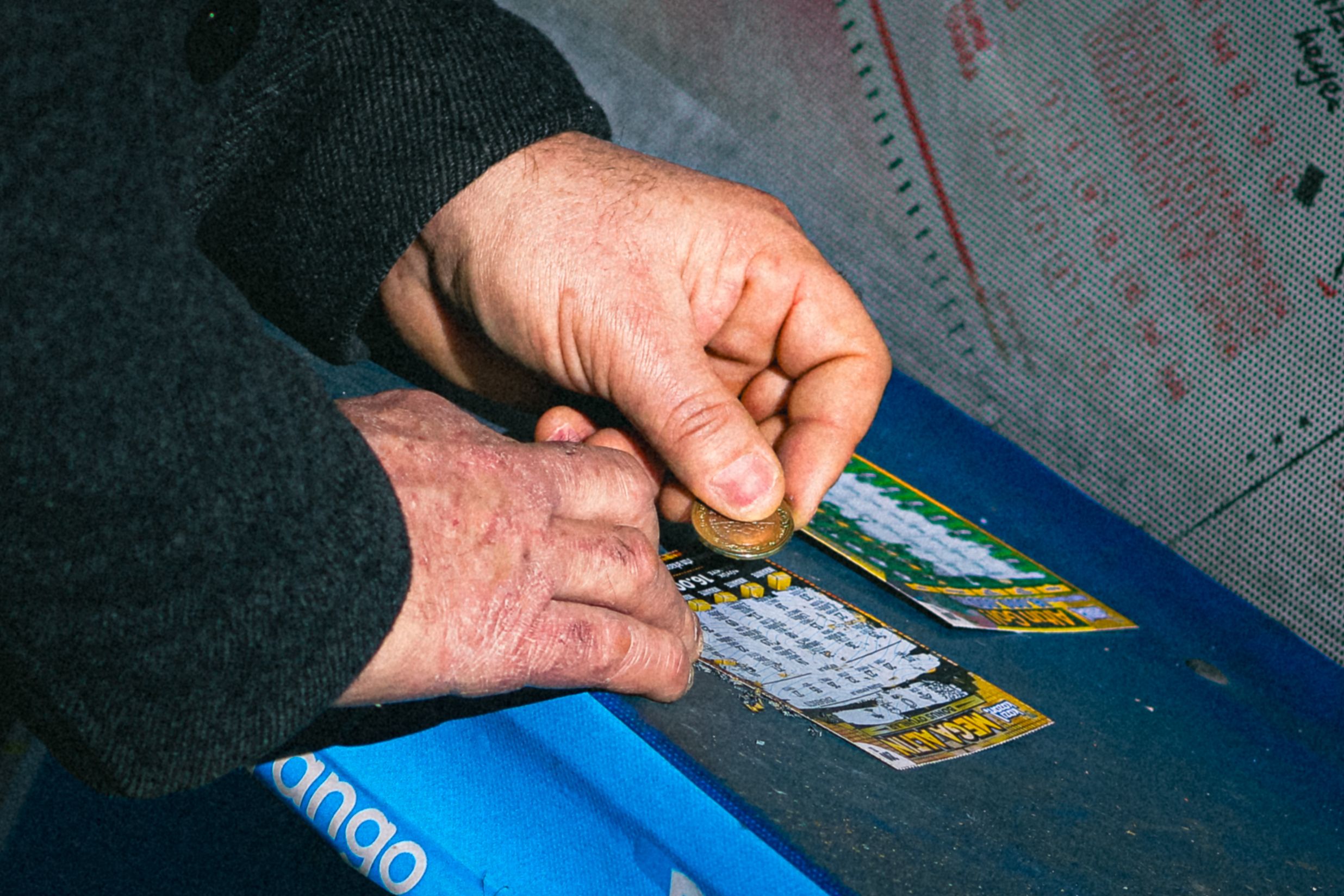
Scratch-card and mystery reveal mechanics over spin wheels: Scratch cards and mystery reveals deliver the same psychological engagement as a spin wheel, including curiosity, anticipation, and the pleasure of uncovering something hidden, with a visual register that reads as considered rather than promotional. The swipe-to-scratch interaction on mobile is particularly effective for premium brands because it feels intentional and tactile rather than carnival-like. Digital scratch cards report conversion rates comparable to spin wheels, while carrying a design language that is more consistent with a premium aesthetic.
Pick-a-gift interactions for brand-fit and AOV alignment: Rather than asking visitors to spin a wheel, a pick-a-gift mechanic presents three curated options, such as wrapped boxes or gift bags, and lets the shopper choose one to reveal their offer. The act of choosing creates a sense of agency and investment. It is also visually softer than a spinning wheel, which makes it a better fit for brands that want gamified engagement without the loud aesthetic. The reward does not have to be a discount. For high-AOV brands, a curated product sample, a digital guide, or early access to a new collection are all rewards that add value without eroding margin or perceived product value.
Non-discount rewards to protect price integrity: Pairing an interactive mechanic with early access, complimentary samples, or exclusive content makes the popup feel like an invitation rather than a promotion. Early access in particular is a reward structure that actively reinforces premium positioning. It signals that the brand's products are in demand, that joining the list confers genuine status, and that the relationship is about more than a first-order discount. For brands where discounting at scale would erode margin or brand perception, this framing is not just aesthetic. It is strategic.
UTM-based and behavioral targeting for audience precision: Alia's Advanced Targeting feature allows premium brands to show different gamified popups to different visitor segments. A first-time visitor arriving from a paid social campaign sees a different popup than a returning visitor who has already viewed three product pages. A visitor coming from an influencer link gets a popup that matches the context of that referral. This level of precision means the gamified interaction always fits the visitor's context, which is the core requirement for keeping it from feeling jarring or mismatched.
Smart Triggering for non-disruptive timing: Alia's Smart Triggering feature determines the optimal moment to surface the popup for each individual visitor, based on real-time behavioral signals. This means the popup appears when the visitor has demonstrated engagement, not the moment they land. For premium brands with high-consideration purchase journeys, this is critical. A shopper who has spent time browsing multiple product pages is a fundamentally different prospect than someone who just arrived, and the timing of the popup should reflect that.
Prism AI for continuous performance improvement: Once your gamified popup is live, Alia's Prism AI continuously learns from visitor interactions, measuring which variants drive more opt-ins and more revenue across the targeting dimensions you have defined, and automatically shifts more traffic toward the top-performing versions. This means your popup keeps improving over time without your team running manual experiments. Brands like HexClad and Kopari use Alia because they need their popup to match a premium aesthetic and keep the numbers moving after launch. Fishwife, another premium brand in Alia's client base, introduced mystery-discount popups through the platform and saw total opt-ins grow 5x, SMS list size grow 6x, and welcome flow revenue lift approximately 200% within six months.
Alia's combination of design control, mechanic flexibility, behavioral targeting, and continuous AI optimization is what separates a premium-grade gamified popup program from the generic templates that make the format feel cheap in the first place.
Best Practices and Expert Tips for Gamified Popups on Premium Brands
Brands that execute gamified capture well at a high-AOV positioning follow a consistent set of principles. These are the ones that move the needle without compromising what makes the brand premium.
Choose the mechanic before the template: Start with the emotional register of your brand and your customer's purchase journey, then select a mechanic that fits. Scratch cards, mystery reveals, and pick-a-gift interactions are typically the right starting point for premium brands. Spin wheels can work when the visual design is tightly controlled and the brand has some room for playfulness, but they require significantly more design discipline to avoid reading as promotional.
Lead with the interaction, not the discount: Structuring the popup so the visitor engages with the mechanic before they see the reward, and before they submit their email, changes the dynamic. The visitor has already invested something in the interaction before they decide whether to opt in, which increases commitment and conversion rate. When the reward reveals after email submission, the experience feels like a natural conclusion to the interaction rather than a transaction.
Offer rewards that align with your brand's value proposition: A wine brand revealing a curated tasting guide is more on-brand than revealing 5% off. A beauty brand offering a complimentary sample of an upcoming product launch is more aligned with its positioning than a generic discount. The reward should make sense for the category and should feel like something the brand would actually offer, not something bolted on to create the appearance of value.
Apply purchase minimums to any discount offers: If your gamified popup includes a discount reward, tie it to a minimum order threshold that protects margin and filters for higher-intent subscribers. Unconditional discount offers attract deal-seekers who are unlikely to purchase at full price and will depress the quality of your list over time.
Suppress the popup for existing subscribers and loyal customers: Your email subscribers and repeat purchasers should never see your acquisition popup. Showing a gamified discount mechanic to someone who already bought from you undermines the relationship and signals that the brand does not know who they are. A good popup platform suppresses the popup for known subscribers automatically. Alia's Advanced Targeting handles this by audience segment, so your gamified capture experience only reaches the visitors it was designed for.
Test mechanic variants, not just copy: The most impactful variable in a gamified popup for a premium brand is often the mechanic itself, whether the reward is revealed before or after the email capture, whether three boxes or four are shown, whether the scratch card reveals a discount or an exclusive experience. Alia's Smart Testing automates this process, running variant tests across your popup without requiring design, coding, or manual setup from your team.
Validate the design on mobile before launch: Most e-commerce traffic is mobile-first, and a popup designed for desktop often breaks on a smaller screen. The scratch gesture on mobile, in particular, is a native interaction that can feel elegant when done well and frustrating when done poorly. Alia's independent mobile and desktop preview ensures that design decisions are validated across device types before the popup goes live.
Advantages and Benefits of Gamified Popups for Premium E-Commerce Brands
When executed correctly, gamified popups deliver a set of compounding advantages that static email capture formats cannot replicate, and that are particularly valuable for high-AOV brands investing in paid acquisition.
Higher opt-in rates from existing traffic:Gamified formats consistently outperform static popups on conversion rate, which means a brand captures more subscribers from the traffic it is already paying for. For brands running significant paid acquisition budgets, this is a direct reduction in effective customer acquisition cost: the same traffic spend produces a larger, higher-quality subscriber list.
Better subscriber quality through earned rewards: Subscribers who engage with a gamified mechanic demonstrate a higher level of active interest than those who passively submit a static form. The interaction itself functions as a qualification signal. When combined with a reward structure that requires a meaningful purchase minimum or offers a non-discount incentive, the gamified popup also filters toward higher-intent subscribers who are more likely to convert to purchase.
Zero-party data collection at the point of capture: Gamified formats, particularly quiz-based and pick-a-gift interactions, create natural opportunities to collect declared preferences before or during the opt-in. That data flows directly into your ESP or SMS platform as custom properties, enabling more precise segmentation from the very first email. For premium brands that rely on personalization to justify high price points, this is a meaningful downstream advantage.
Brand equity protection through design and mechanic alignment: A gamified popup that is designed to match the storefront and uses a mechanic appropriate to the purchase context does not cheapen the brand. It extends the brand experience into a moment that would otherwise be handled by a generic static form. The design standard applied to the popup should match the design standard applied to everything else.
Compounding performance improvement over time: Unlike a static popup that plateaus at setup, an AI-optimized gamified popup improves as it accumulates performance data. Alia's Prism AI continuously shifts traffic toward the top-performing variants in each targeting dimension, which means opt-in rate and revenue per visitor continue to improve without additional effort from the brand's team.
How Alia Helps Premium Brands Run Gamified Capture Without the Risk
The reason most premium brands avoid gamified popups is risk aversion, and the risk is real when the tools available give you a spin wheel template and a color picker. The concern is not irrational. It is just aimed at the wrong variable. The risk is not in the mechanic; it is in the execution. And execution is exactly where Alia is differentiated.
Alia provides premium e-commerce brands with full pixel-perfect design control over every element of the gamified popup, including fonts, colors, layout, animation style, and mechanic format, so the interaction matches the storefront standard rather than conflicting with it. It supports scratch-card reveals, pick-a-gift mechanics, mystery discounts, and quiz-based flows that collect zero-party data alongside the opt-in. It does not force brands into a template that was designed for a mass-market retail aesthetic.
Beyond design, Alia's Smart Triggering ensures the popup surfaces at the optimal behavioral moment for each visitor, not at page load, not on a static timer, but when the visitor's engagement signals indicate the highest probability of a meaningful interaction. For high-consideration purchase journeys where timing is everything, this distinction produces measurable results. Brands like Portland Leather Goods achieved a 30% lift in email signup rates and a 23.5% lift in SMS signup rates after switching to Alia, more than doubling total signups within 90 days. Fishwife drove 5x total opt-ins and approximately 200% more welcome flow revenue by replacing a static popup with Alia's gamified, AI-optimized approach.
For brands on Alia's fully-managed plan, the AI optimization is paired with human CRO expertise. That means a team that has seen performance data across hundreds of millions of popup views is actively applying best practices to your specific brand context, including which mechanics to test, which rewards to structure, and which audiences to target first. It is the analytical rigor of a dedicated CRO practitioner without the headcount or the agency retainer. Alia's self-serve plan starts at $100/month. The fully-managed plan starts at $400/month. Both are investments in compounding performance, not line items. Explore the full tier structure at aliapopups.com/pricing.
The Future of Gamified Popups for Premium Brands
The direction gamified popups are moving in is toward personalization depth, not mechanic novelty. The brands that will lead in 2027 and beyond are the ones building gamified capture programs that are dynamically tailored to each visitor's context: different mechanics for different traffic sources, different rewards for different audience segments, different timing for different stages of the purchase journey. That level of precision is not achievable with static tools or manual A/B testing. It requires a platform that learns continuously and optimizes automatically across all of those dimensions simultaneously.
For premium brands, the opportunity is significant. Your visitors are higher-intent, higher-value, and more sensitive to brand experience than the average e-commerce shopper. A gamified popup that is designed to their standard and timed to their behavior will outperform a static form by a margin that compounds meaningfully over time. Your opt-in rate is not a fixed number. It is a starting point, and for most premium brands currently running a static popup from their ESP, it is a starting point with significant room to move.
If your popup has been sitting at 2-3% and your team has neither the time nor the bandwidth to run continuous optimization, Alia is built for exactly that situation. Book a demo to see how the platform performs in a premium brand context, or explore current pricing at aliapopups.com/pricing.
FAQs About Gamified Popups for Premium Ecommerce Brands
Are spin-to-win popups too cheap-looking for a luxury brand?
For most luxury and ultra-premium brands, yes. A traditional multicolored spin wheel is likely at odds with the visual language of the storefront. The mechanic itself is not the issue; the aesthetic most spin wheel templates default to is. Brands that want gamified engagement without the carnival feel typically perform better with scratch cards, mystery reveals, or pick-a-gift interactions. These formats deliver the same psychological engagement, including curiosity, anticipation, and the pleasure of a reveal, with a quieter visual register. Alia supports all of these formats with full design customization, so the mechanic matches the brand standard rather than conflicting with it.
How do you keep a gamified popup on-brand for a high-AOV store?
Keeping a gamified popup on-brand for a high-AOV store comes down to four variables: mechanic choice, visual design, reward framing, and trigger timing. Choose a mechanic that fits the emotional register of your product category. Design every element of the popup using your brand's exact fonts, colors, and layout language. Frame the reward in a way that reinforces rather than undercuts perceived value. Early access, curated samples, and exclusive content often serve premium positioning better than a straight discount. And trigger the popup at a behavioral moment that respects the visitor's purchase journey. Alia's platform gives premium brands full control over all four variables.
Do luxury ecommerce brands use scratch card popups?
Yes, and with strong results. Scratch card popups carry a design language that reads as more intentional and less promotional than spin wheels. The swipe-to-scratch interaction on mobile is particularly well-suited to premium brand contexts because it feels tactile and considered rather than promotional. Luxury-adjacent brands, including those in premium food, beauty, and lifestyle categories, use scratch card mechanics most effectively when the visual design is pixel-perfect and the reward is framed as a discovery rather than a discount. Alia supports fully customizable scratch-off reveal popups designed for brands that need the performance without the generic aesthetic.
What rewards should a premium brand offer in a gamified popup instead of a discount?
For high-AOV brands, the most effective non-discount rewards are early access to new product launches, complimentary product samples or curated gifts, exclusive digital content, and VIP program invitations. These reward structures add perceived value without eroding margin or training subscribers to wait for markdowns. Early access in particular reinforces premium positioning. It signals that the brand's products are in demand and that joining the list confers genuine status. Alia's gamified popup formats support all of these reward structures and allow brands to customize the probability and type of rewards behind each reveal, giving full control over the margin and brand impact of each interaction.
How does AI optimization improve gamified popups for premium brands?
AI optimization removes the assumption that a popup configured at launch is the best version it will ever be. Alia's Prism AI continuously learns from real visitor interactions, measuring which gamified popup variants drive more opt-ins and more revenue across the targeting dimensions you have defined, and automatically shifts more traffic toward the top-performing versions over time. For premium brands, this means the popup keeps improving without the team running manual experiments. It also means that as your traffic mix changes, whether from new paid campaigns, new audience segments, or new seasons, the popup adapts to those changes automatically rather than sitting static at its original setup performance.
How does Alia handle gamified popup targeting for premium ecommerce brands?
Alia's Advanced Targeting feature gives premium brands the ability to show different gamified popups to different visitor segments based on UTM source, page visited, prior on-site behavior, device type, and cart contents. First-time visitors from paid social see a different popup than returning visitors who have browsed multiple product pages. Existing subscribers are suppressed entirely. This precision is what prevents the gamified popup from feeling indiscriminate or off-brand. The interaction is always calibrated to the visitor's context. For high-AOV brands where every visitor segment requires a different communication strategy, this targeting depth is a meaningful performance driver.