

.svg)
Shopify powers millions of online stores worldwide — but only a handful have cracked the code on branding, customer experience, and sustainable growth. We reviewed the most successful Shopify stores across industries to see what separates the best from the rest.
Here's our curated shortlist of Shopify stores worth studying in 2026, along with the strategies that make them stand out.
TL;DR – Best Shopify Stores in 2026
1. Firebelly Tea
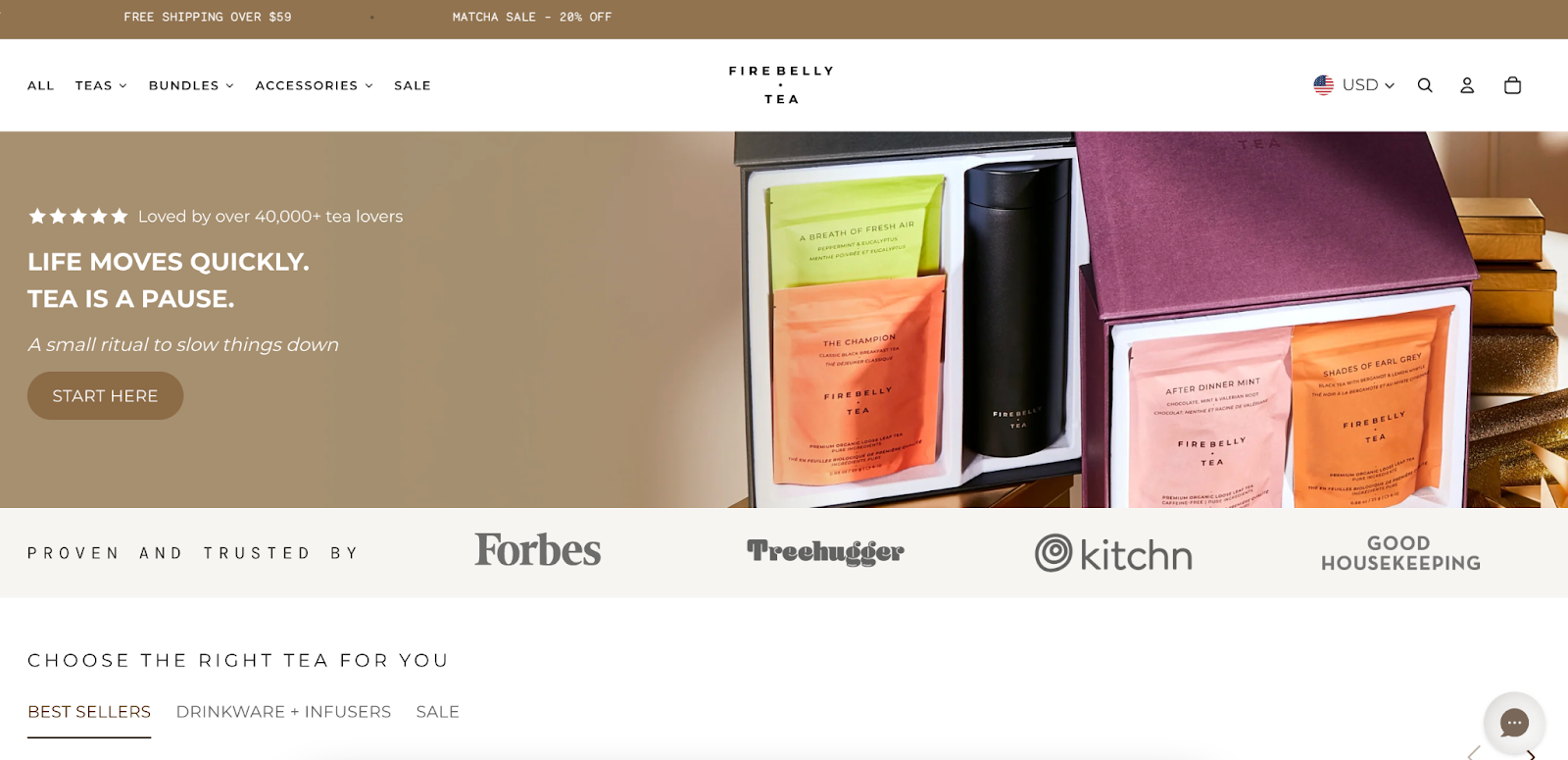
Estimated revenue: $120+ thousand
Founded by David Segal (DAVIDsTEA) and Harley Finkelstein (Shopify), Firebelly Tea is a privately held, internet-first subscription brand. The company has seen significant momentum in e-commerce sales by focusing on a high-growth, subscription-first model that prioritizes brand authority and product quality.
Their strategy focuses on maximizing Shopify "Shop Campaigns," which has resulted in a 2X higher repurchase rate compared to other channels. To sustain this growth, they use Alia Popups to capture high-intent traffic through personalized offers, balancing a premium, minimalist aesthetic with data-driven conversion tactics.
What to learn: Focus on high-retention acquisition channels. By pairing targeted campaigns with optimized onsite popups, you can effectively turn one-time browsers into high-LTV subscribers.
2. Gymshark
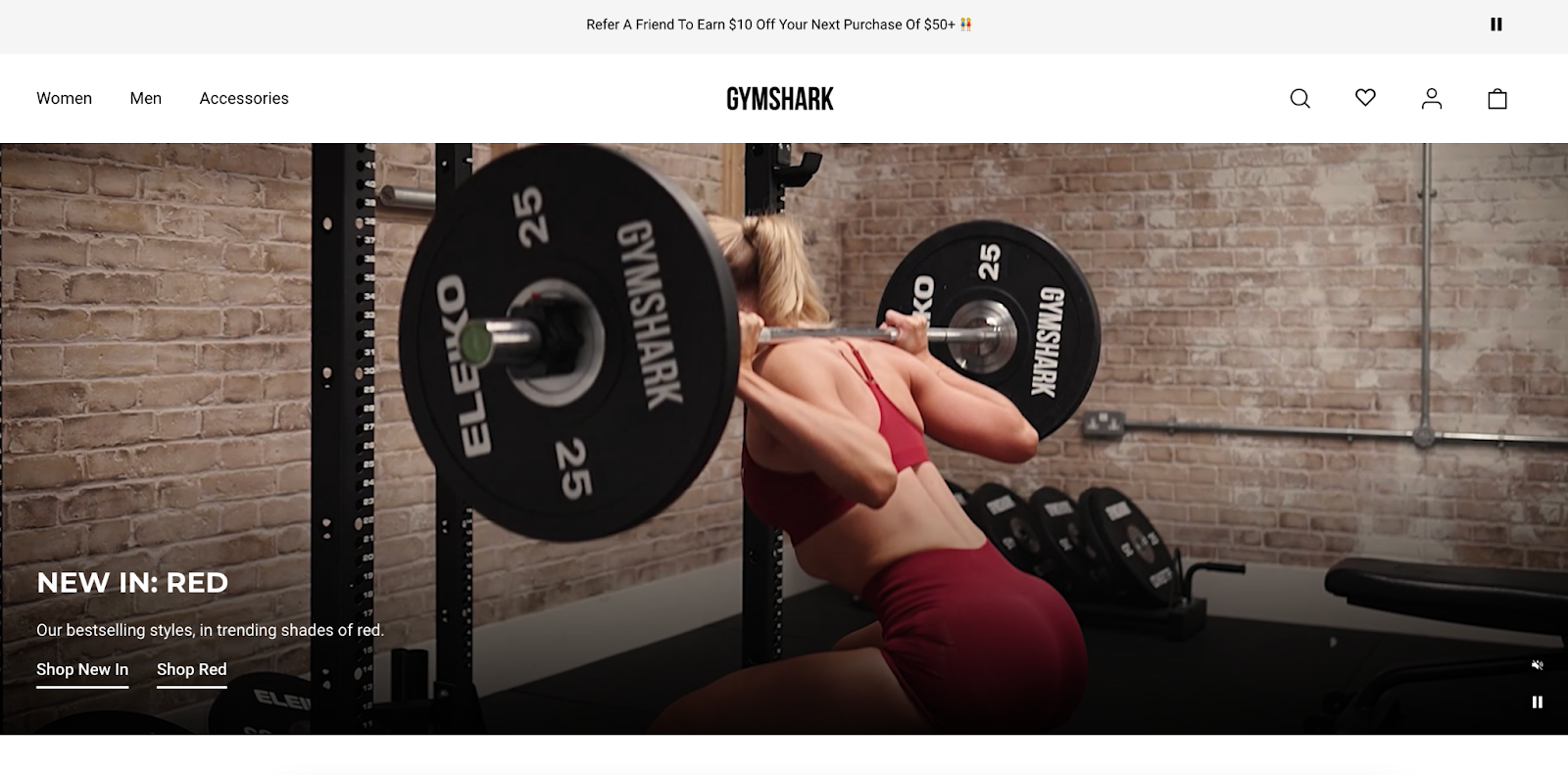
Estimated revenue: $750+ million
Gymshark went from a 19-year-old screen-printing in a garage to one of the biggest fitness apparel brands on the planet. The UK-based company now sells to customers in over 230 countries.
Their secret weapon? Community. The annual Gymshark66 challenge turns customers into brand ambassadors, and their early bet on influencer marketing (long before it was mainstream) built a social following that rivals legacy brands.
What to learn: Invest in community-driven campaigns that put your customers at the center. Challenges, fitness events, and UGC all create a flywheel of engagement.
3. Fashion Nova
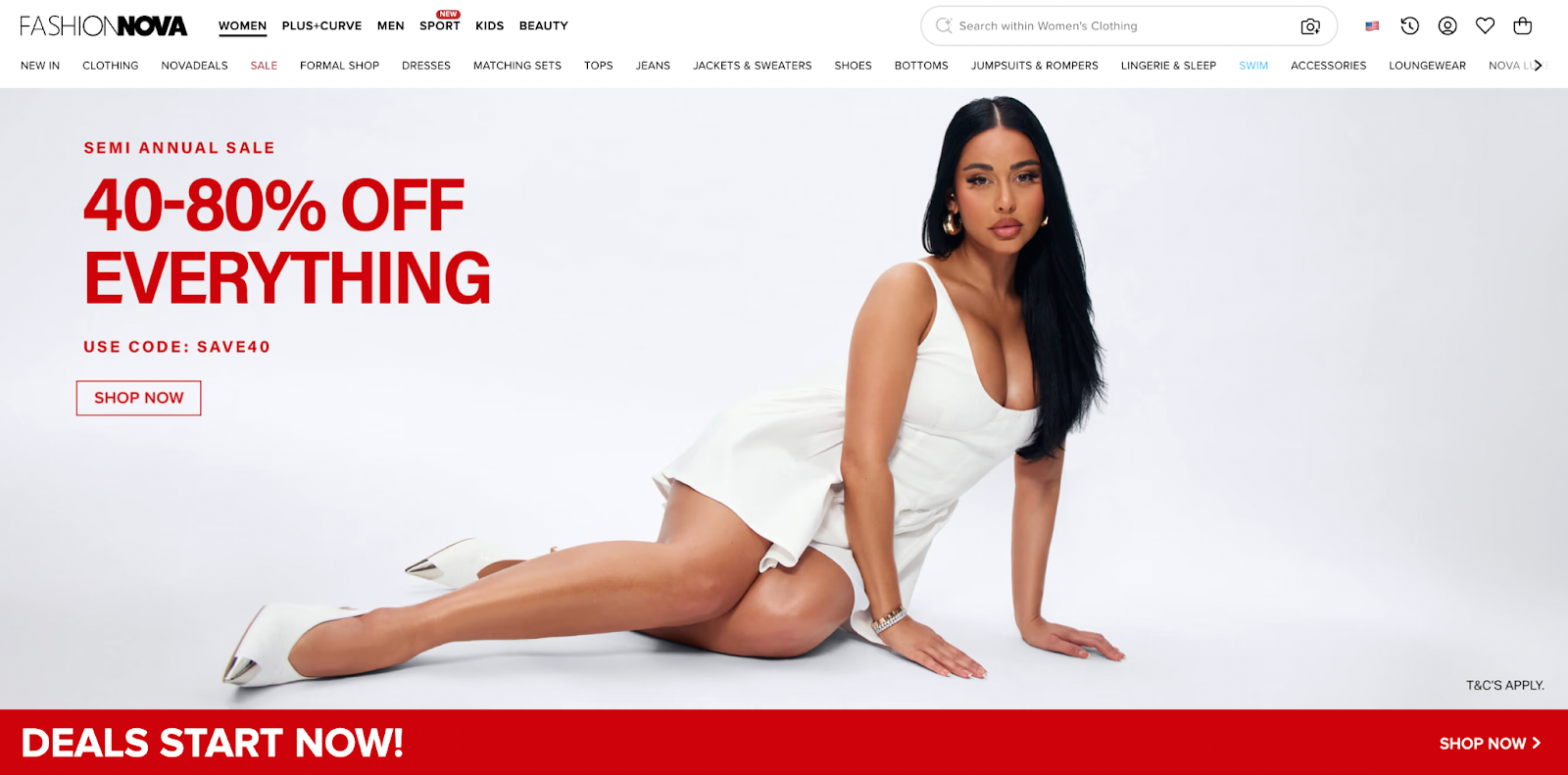
Estimated revenue: $500+ million
Fashion Nova's homepage doesn't lead with models — it leads with real customers. By showcasing user-submitted Instagram photos wearing their products, they've turned social proof into a conversion machine.
User-generated content gets significantly more engagement than polished brand images, and Fashion Nova leans into that harder than almost anyone.
What to learn: Feature real customers on your site. UGC builds trust and reduces the hesitation of buying clothes online.
4. Graza
Estimated revenue: $40+ million
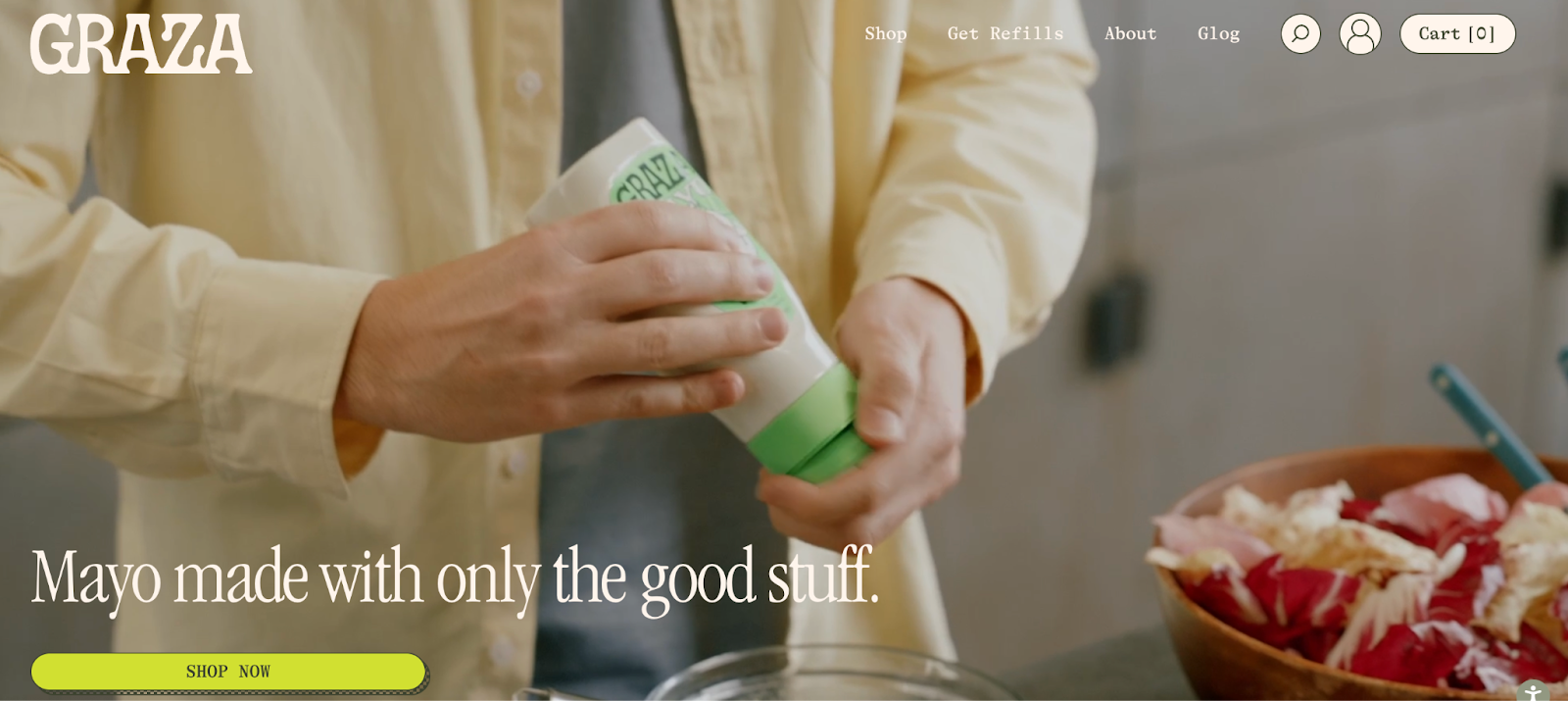
Graza disrupted the olive oil market with fun, squeezable bottles and a brand voice that makes premium feel approachable. But what's interesting from a growth standpoint is how they approach list building. Graza uses interactive, quiz-based popups to capture emails and SMS signups — moving beyond the standard "10% off" popup that most food brands default to.
Since switching to this approach with Alia Popups, they've seen their email signup rate jump from 4.5% to 13.8% and launched an SMS list that now generates consistent revenue through welcome flows.
What to learn: Your popup strategy matters as much as your product page. Interactive, on-brand popups outperform generic discount forms.
5. Allbirds
Estimated revenue: $180+ million
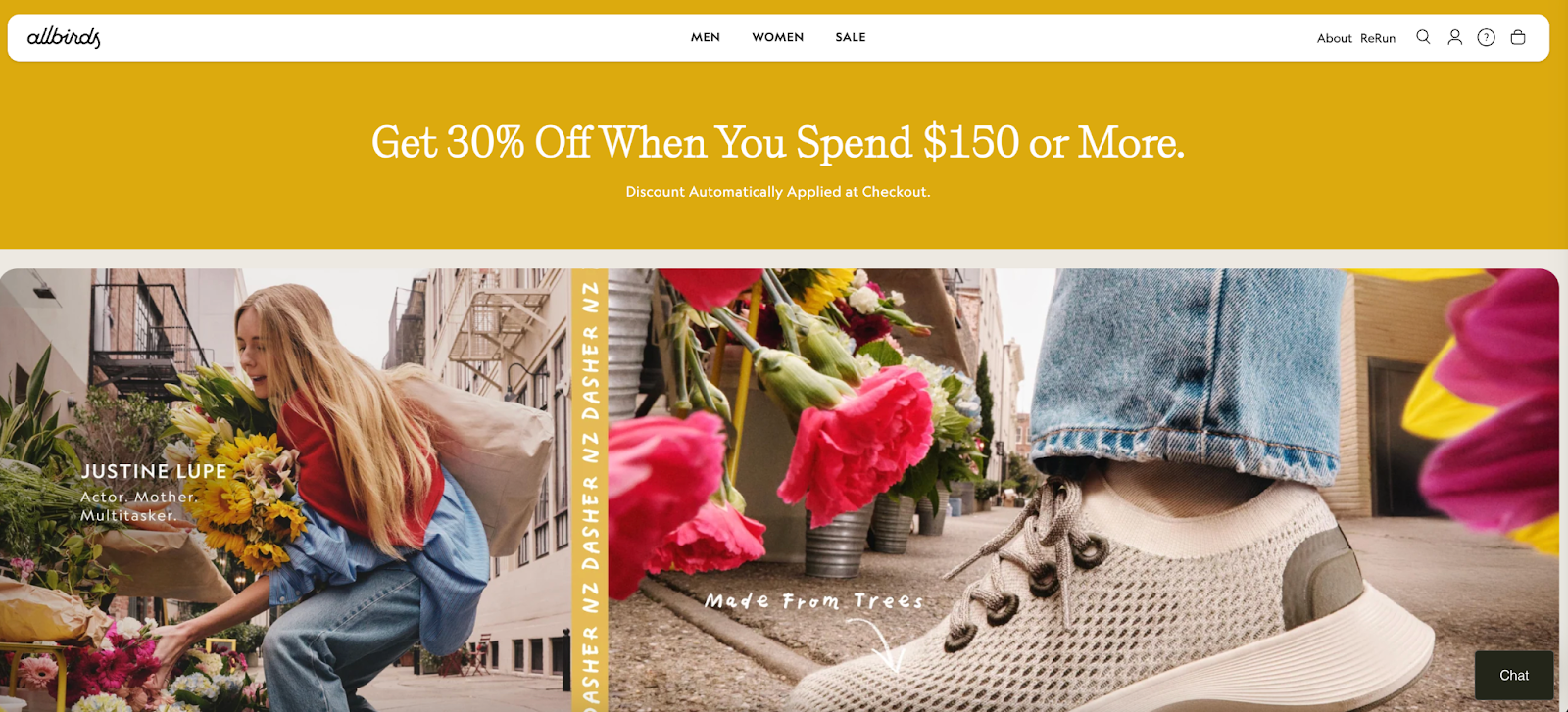
Allbirds, headquartered in San Francisco with roots in New Zealand, has built its entire brand identity around sustainability — and they communicate it relentlessly.
Every product page includes carbon footprint data, and their homepage leads with eco-credentials rather than promotions. In a world of greenwashing, Allbirds puts the receipts front and center.
What to learn: If you have a strong brand mission, weave it into every touchpoint — not just a standalone "About Us" page.
6. Chubbies
Estimated revenue: $30+ million
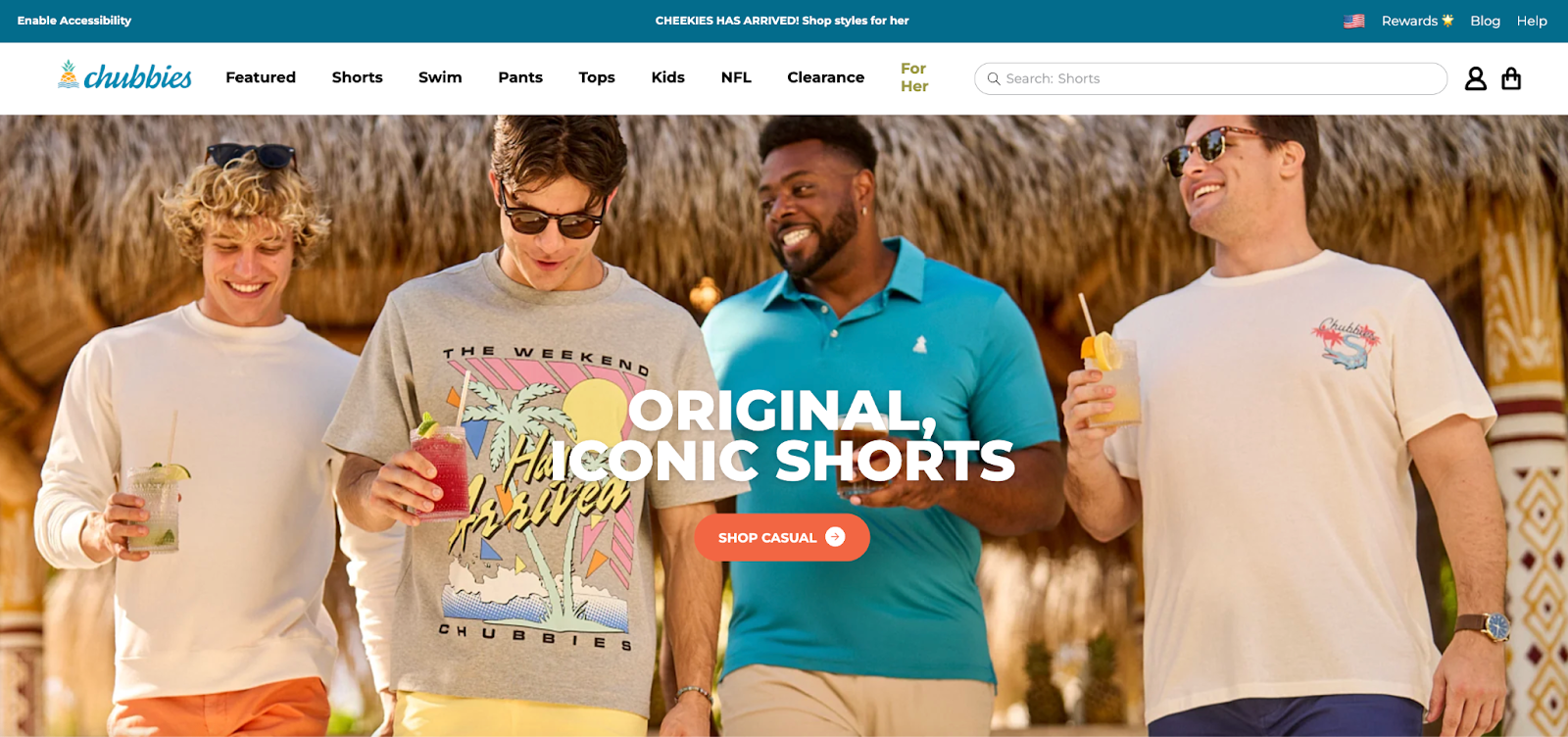
Chubbies proves that personality sells. Their irreverent, humor-driven brand voice turns a mundane category (men's shorts) into an experience. From their product copy to their email marketing, every touchpoint is unmistakably Chubbies.
What to learn: A strong brand voice can differentiate you even in a commoditized category.
7. Portland Leather
Estimated revenue: $20+ million
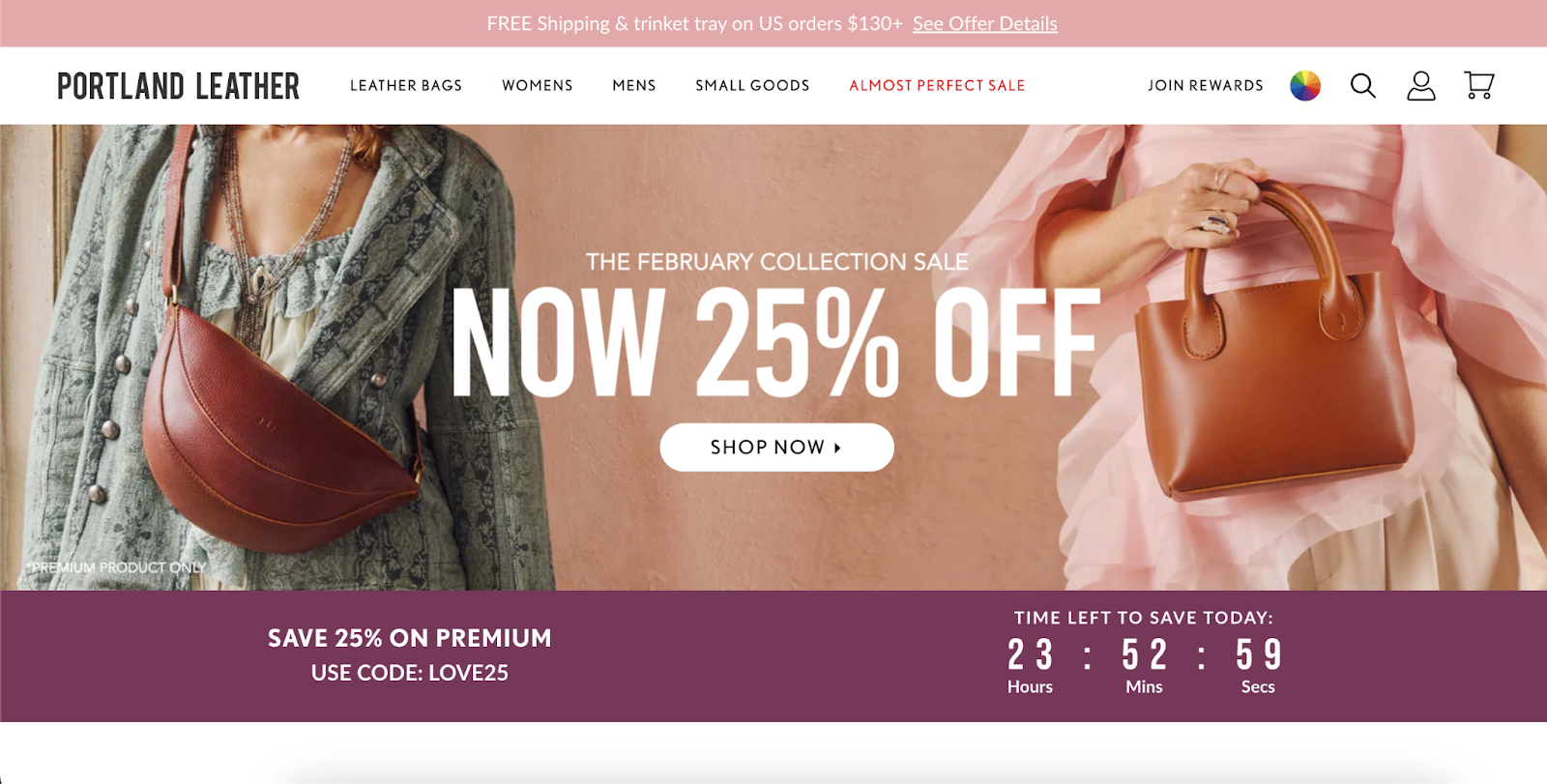
Portland Leather is a brand known for high-quality handmade leather goods. The company scaled their growth by rethinking a common bottleneck: stagnant list growth. After their email and SMS signups plateaued, they moved away from static popups in favor of a more dynamic, automated approach to optimization.
After years of plateaued list growth with their previous popup tool, they switched to a system that supports continuous A/B testing of copy, timing, design, and SMS vs. email flows. Within 90 days, they saw a 123% increase in email signups and a 112% increase in SMS signups.
Their new approach — powered by Alia Popups' Smart Testing — runs automated tests 24/7, eliminating the manual burden of popup optimization that most growing brands struggle with.
What to learn: Popup optimization isn't a "set it and forget it" task. Continuous testing compounds over time and can unlock major list growth.
8. ColourPop — $15M+ Revenue
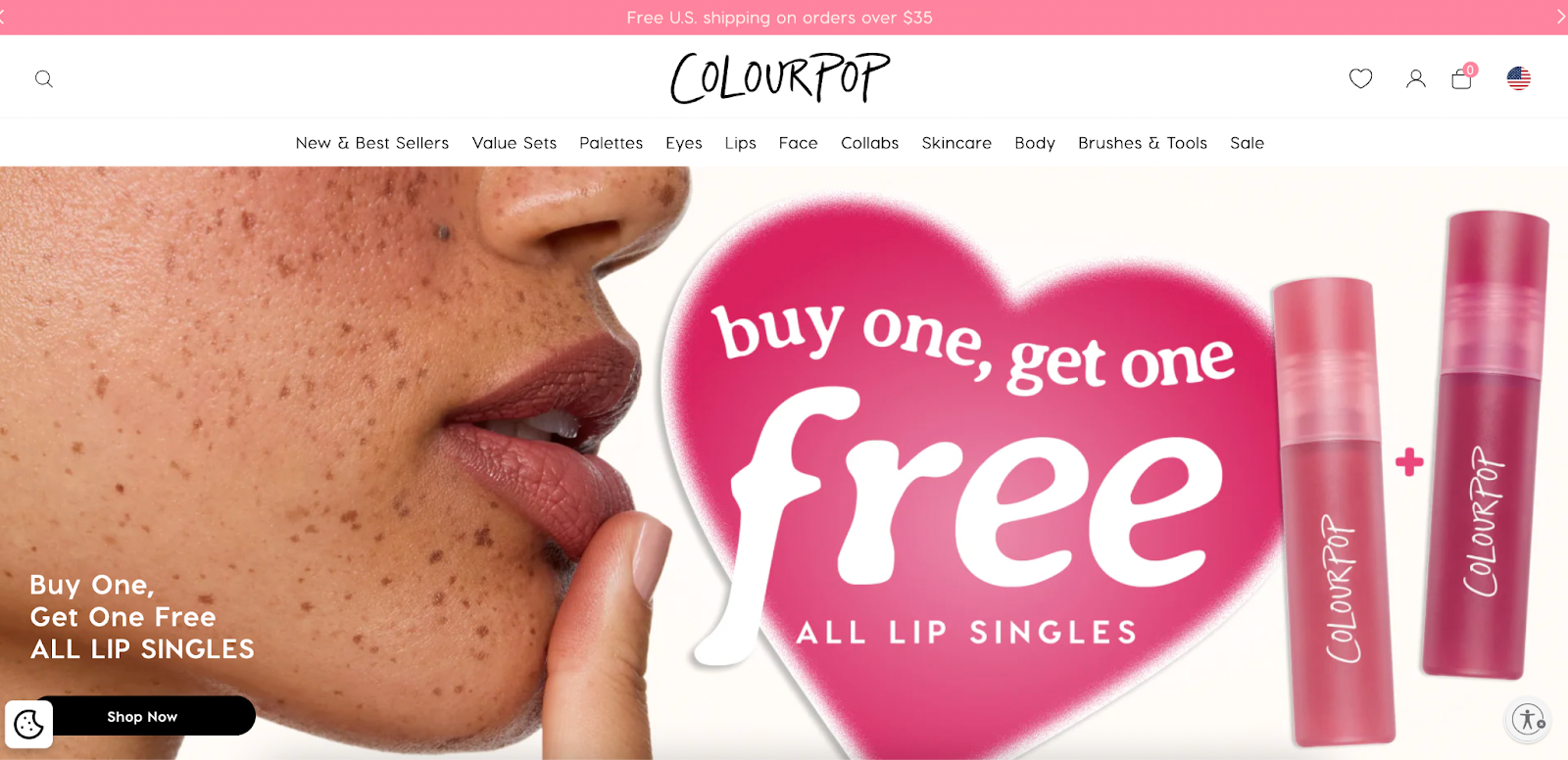
Estimated revenue: $50+ million
ColourPop, founded in 2014 by siblings Laura and John Nelson under parent company Seed Beauty, manufactures everything in-house, enabling them to deliver high-end formulas at accessible prices.
They also do brand collaborations — including with Disney and Sanrio — that drive both new audiences and revenue. More than half of businesses that invest in co-branding say it generates over 20% of their revenue.
What to learn: Collaborations with complementary brands can unlock new audiences and meaningfully boost revenue.
9. Hostage Tape
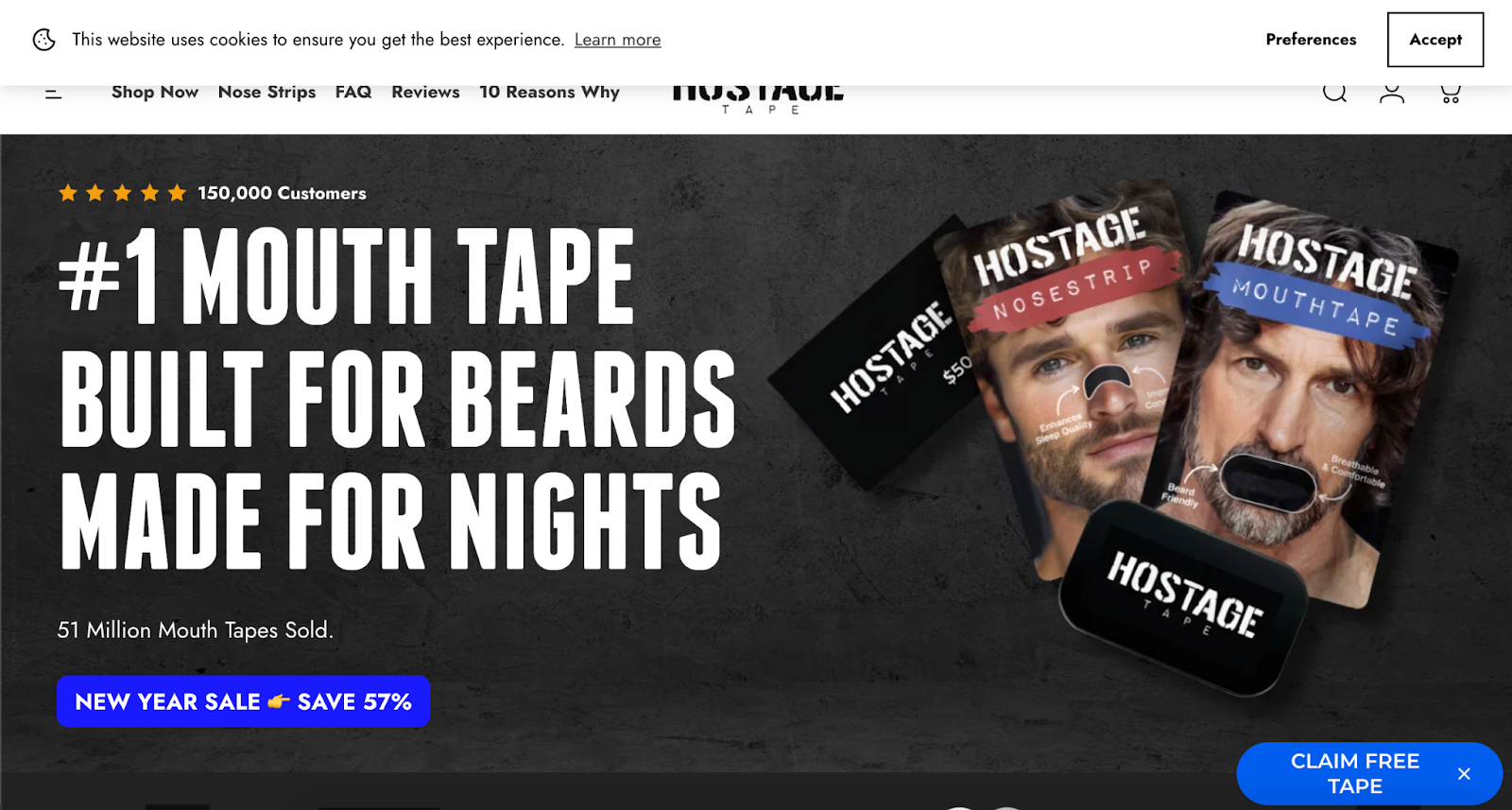
Estimated revenue: $10+ million
Hostage Tape, the sleep and breathing optimization brand is a standout in DTC health. With 150K–200K monthly visitors, Hostage Tape turned their popup into a brand storytelling moment — using full-screen designs that incorporate the founder's story and educational elements. The result? A 25% email opt-in rate and a 245% increase in welcome flow revenue.
They achieved this by continuously A/B testing their popup experience, treating it as a critical part of their funnel rather than an afterthought.
What to learn: Your popup is often the first brand experience a new visitor has. Treat it like a product, not a checkbox.
10. Soko Glam
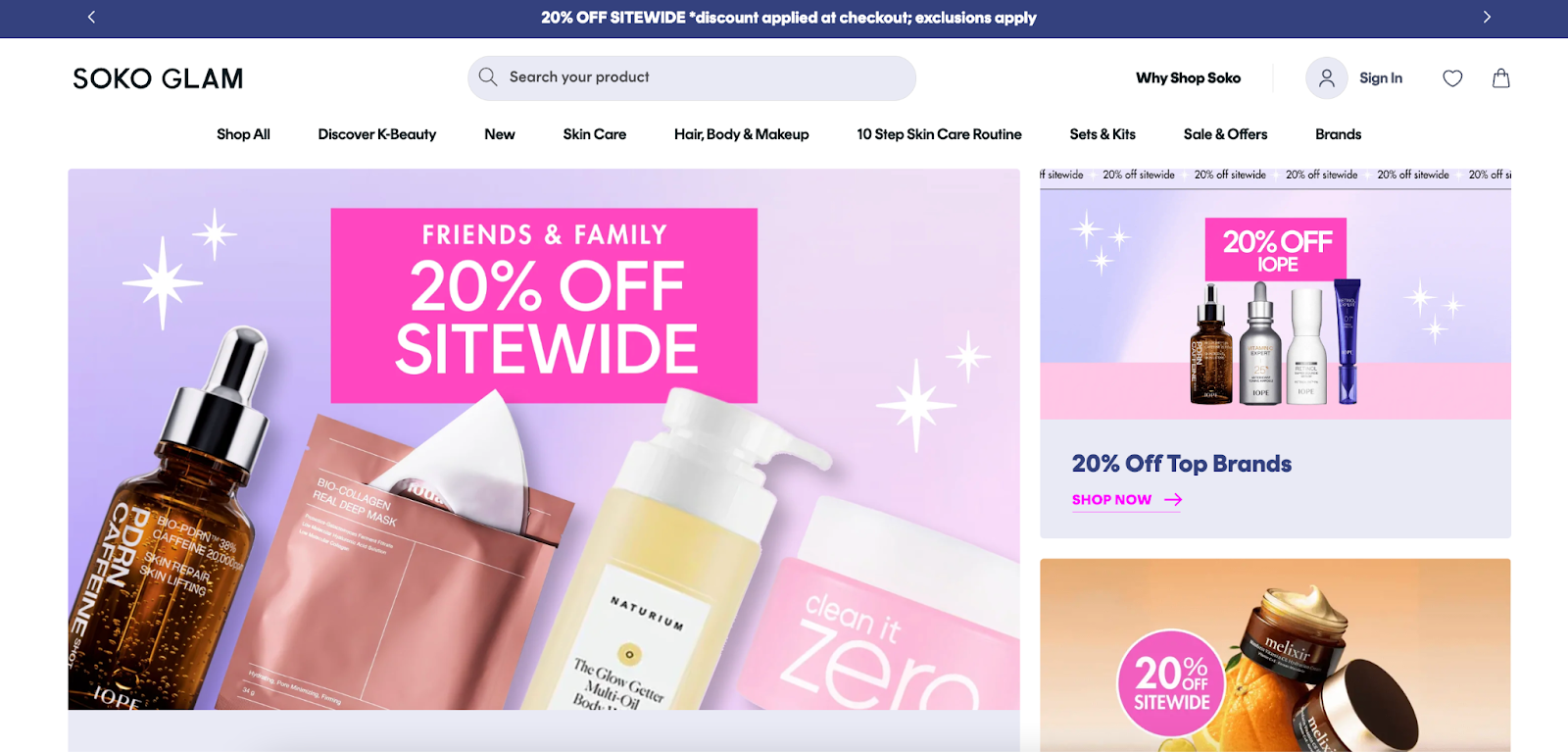
Estimated revenue: $16+ million
Founded by beauty blogger Charlotte Cho, Soko Glam turned personal credibility into a curated K-beauty marketplace.
Through her blog, The Klog, and her book, she popularized the "10-step routine," creating a content-commerce flywheel that turned editorial authority into product discovery. By prioritizing curation, ingredient transparency, and trust over low prices, Soko Glam transformed from a niche store into a leading K-beauty authority.
What to learn: If you're building a curated store, invest in content that establishes authority. Blogging, guides, and expert curation build trust and keep people on-site longer.
11. Hismile
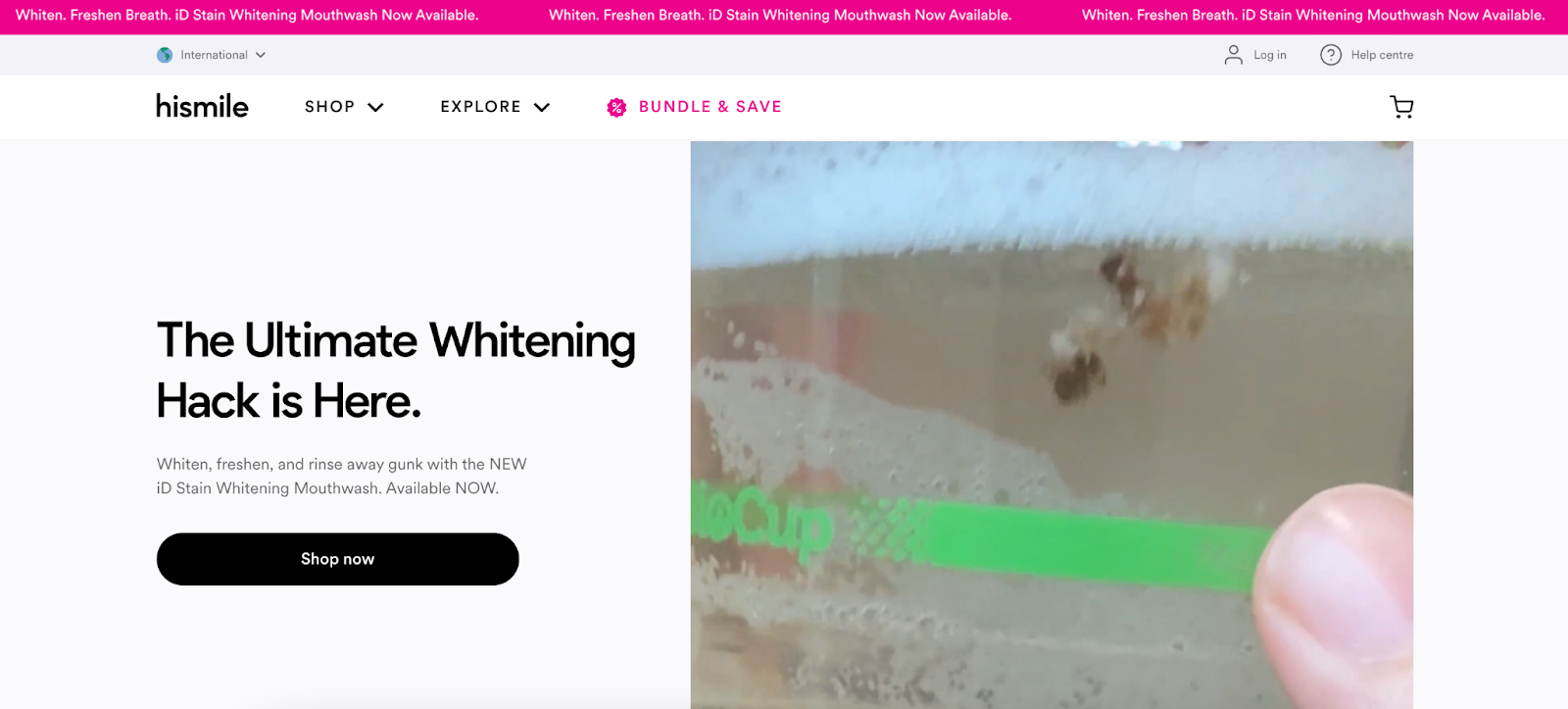
Estimated revenue: $100+ million
Hismile turned teeth whitening into a social media phenomenon with a product-demo-first content strategy. Their TikTok and Instagram presence drives massive awareness, while their clean, simple Shopify store converts that traffic efficiently.
By operating more like a media company than a product brand—keeping a 55-person team entirely in-house—they maintained total control over their narrative and growth.
What to learn: Visual, demo-friendly products thrive on short-form video. Let the product speak for itself in content.
12. Fishwife
Estimated revenue: $6+ million
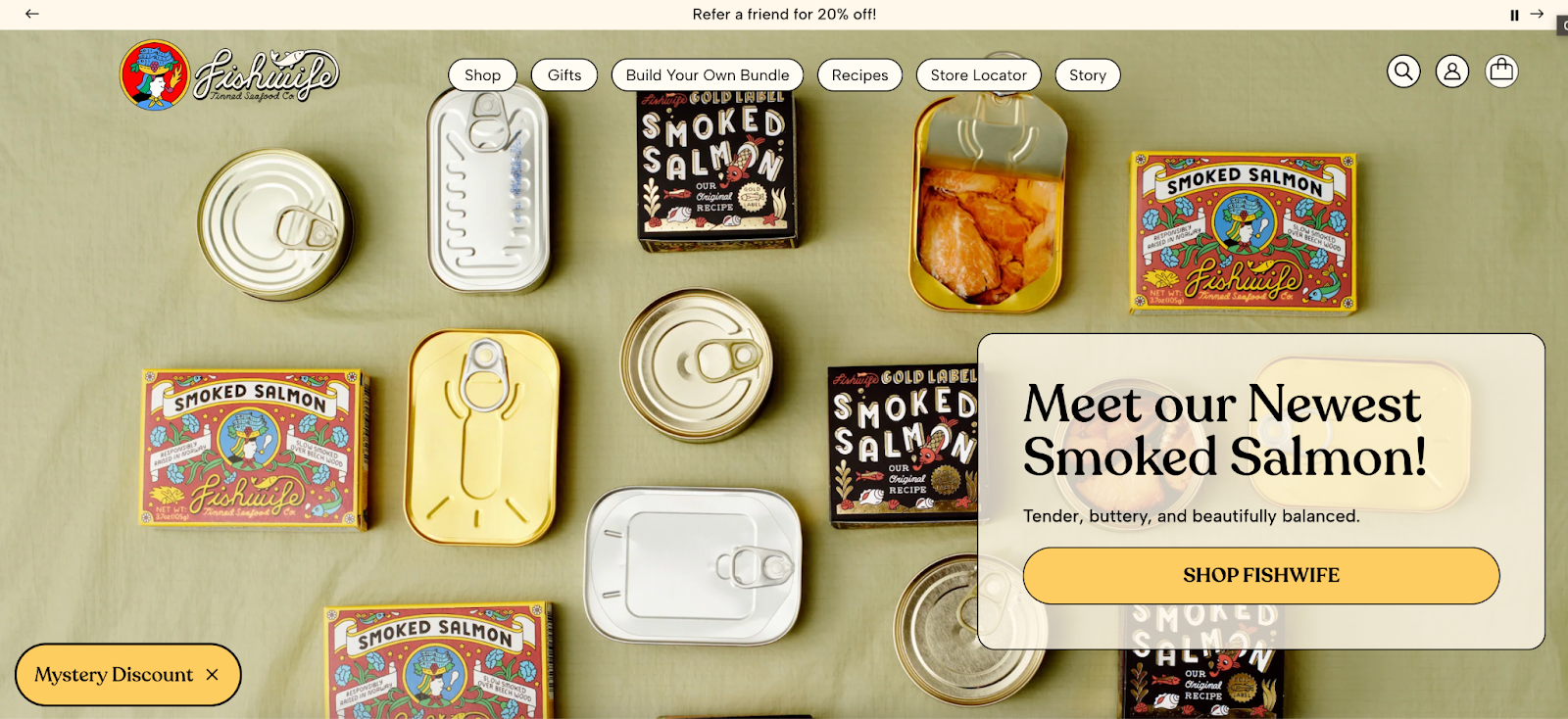
Fishwife is a woman-led premium tinned seafood brand that has carved out a unique niche by making canned fish feel luxurious and Instagram-worthy.
Beyond branding, Fishwife invested in a multi-step popup strategy — starting with a mystery discount to drive email signups, followed by a timed secondary popup to capture SMS. Over six months, they grew their total opt-ins by 5× and saw SMS list size increase 6×.
What to learn: Multi-step popup strategies that layer email and SMS capture can dramatically accelerate list growth.
Read more: 20 Discount Code Ideas to Drive More Sales.
13. Jeffree Star Cosmetics
Estimated revenue: $100+ million
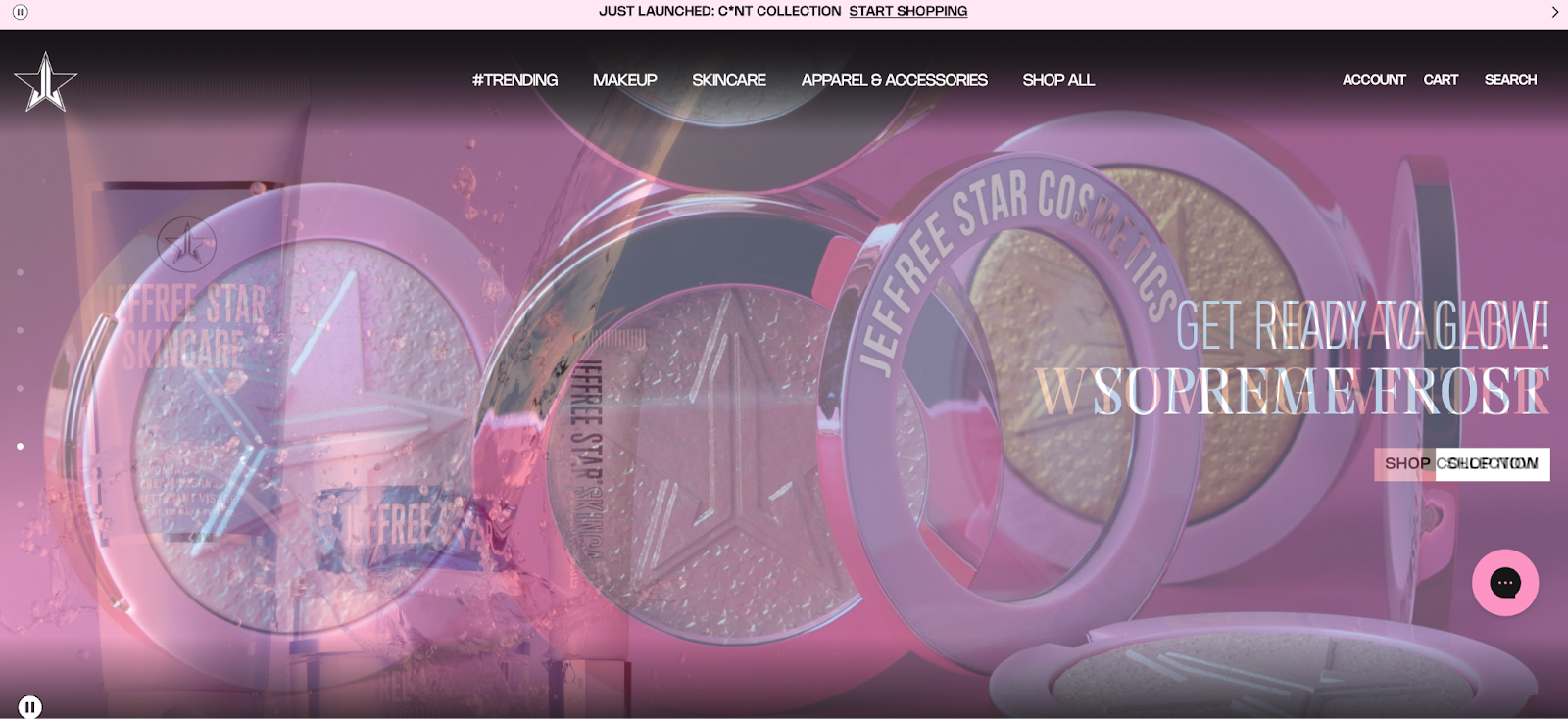
Love or hate the brand, Jeffree Star Cosmetics proves that a polarizing personality can be a powerful business asset. The brand's loyal community and YouTube-first marketing strategy generated massive revenue before retail distribution was even a consideration.
What to learn: Personality-driven brands build deeply loyal communities — and loyalty drives repeat purchases.
14. Death Wish Coffee
Estimated revenue: $50+ million
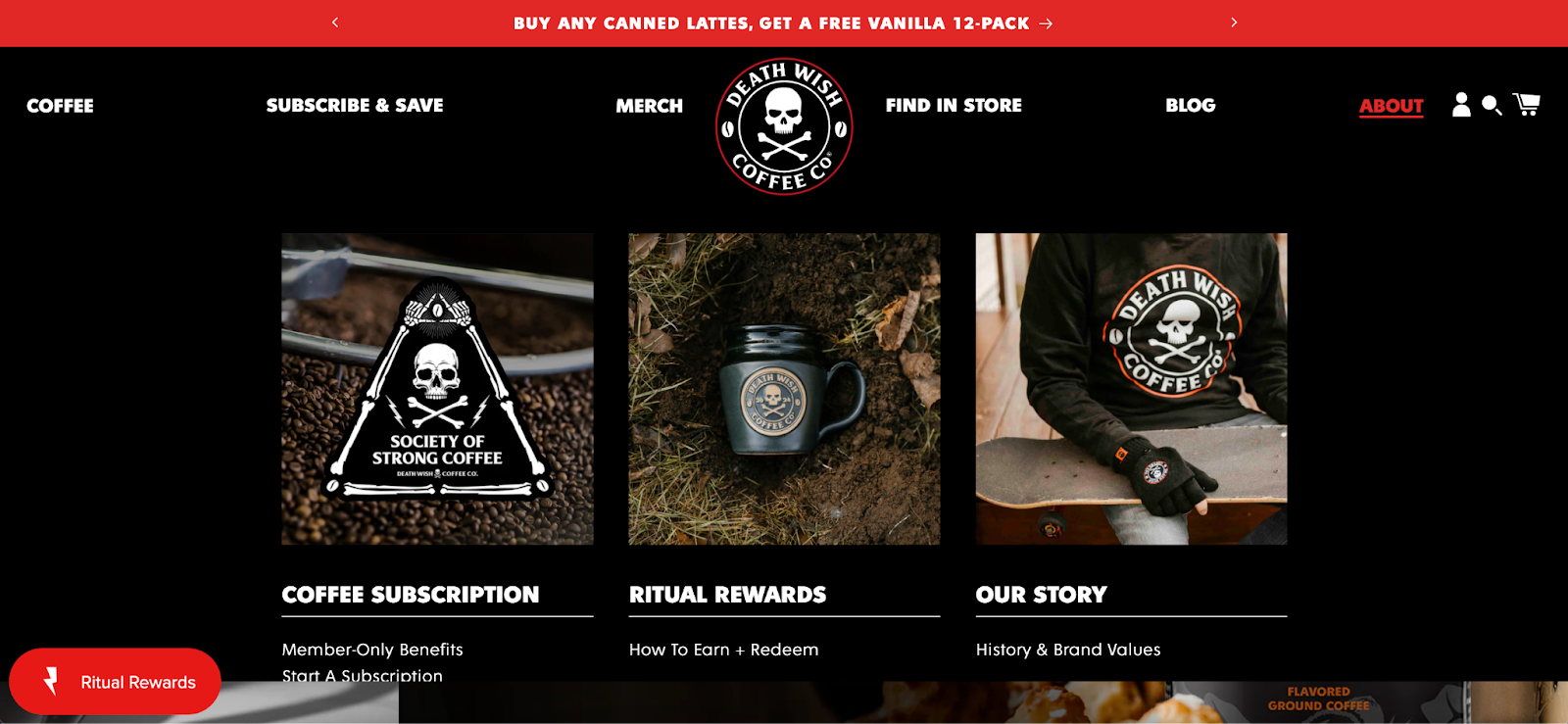
Death Wish Coffee carved out a niche by claiming to sell "the world's strongest coffee." A bold, provocative brand identity — from the skull-and-crossbones logo to aggressive messaging — resonates deeply with their target audience. They're proof that doubling down on a single claim can be incredibly effective.
After a 2016 Super Bowl ad catapulted them to mainstream fame, the brand sustained growth through a robust subscription model and a high-converting Shopify store that treats its bold identity as a dare.
What to learn: Own a specific, memorable claim and build your entire brand around it.
15. Aviator Nation
Estimated revenue: $110+ million
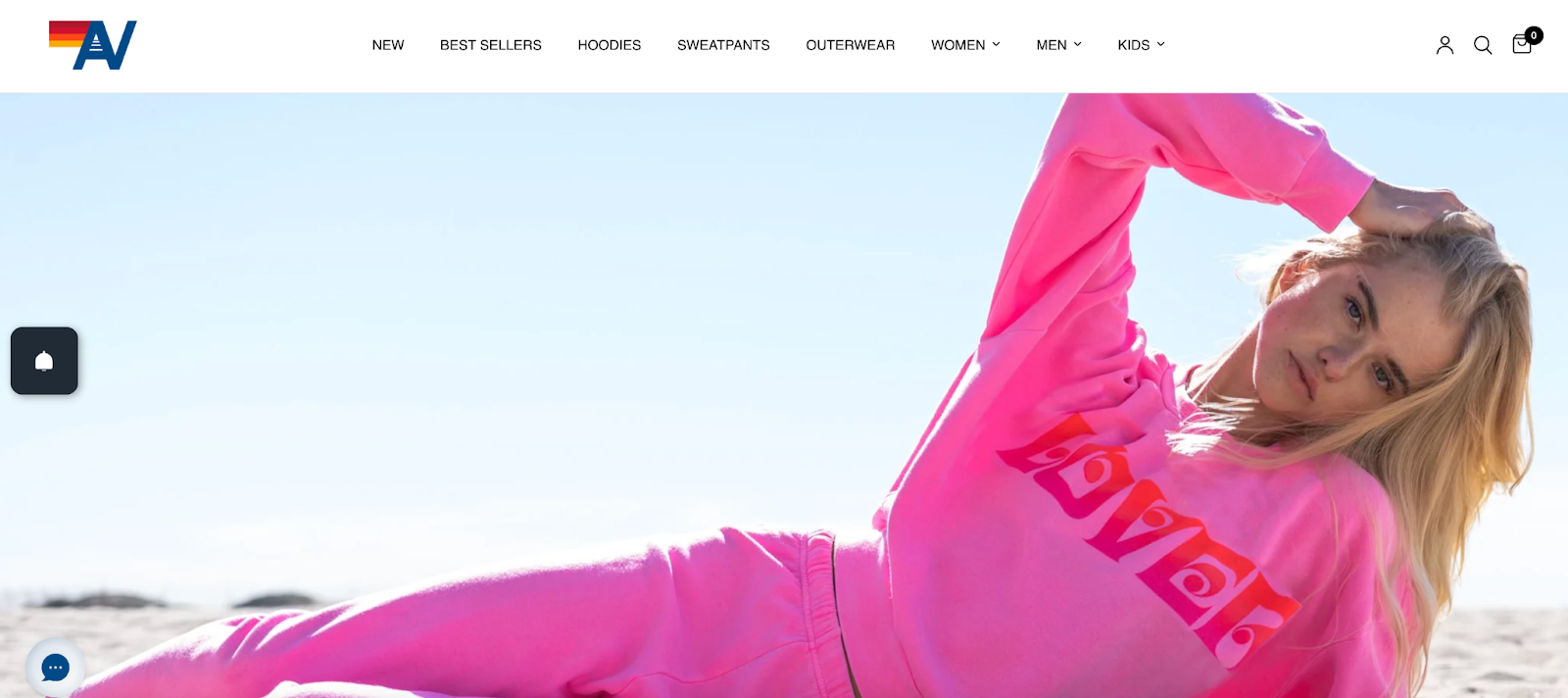
Aviator Nation is a California lifestyle brand that began with a $200 sewing machine in a garage has evolved into a "lifestyle ecosystem," featuring stores that double as music venues and fitness studios, with all production kept in-house to maintain 70%+ gross margins.
The brand's digital breakthrough occurred during the 2020 lockdowns when an online fire sale generated $1.4M in 24 hours. Today, they leverage Alia Popups to sustain a 14.5% email opt-in rate, ensuring that site traffic is converted into a loyal community. This focus on retention has made returning customers responsible for half of their total revenue.
What to learn: Build a brand world, not just a product line. When every touchpoint — stores, events, fitness, music — reinforces the same feeling, the clothes sell themselves.
Read more: 6 Surefire Ways to Grow Your Ecommerce Email List
16. Magic Spoon
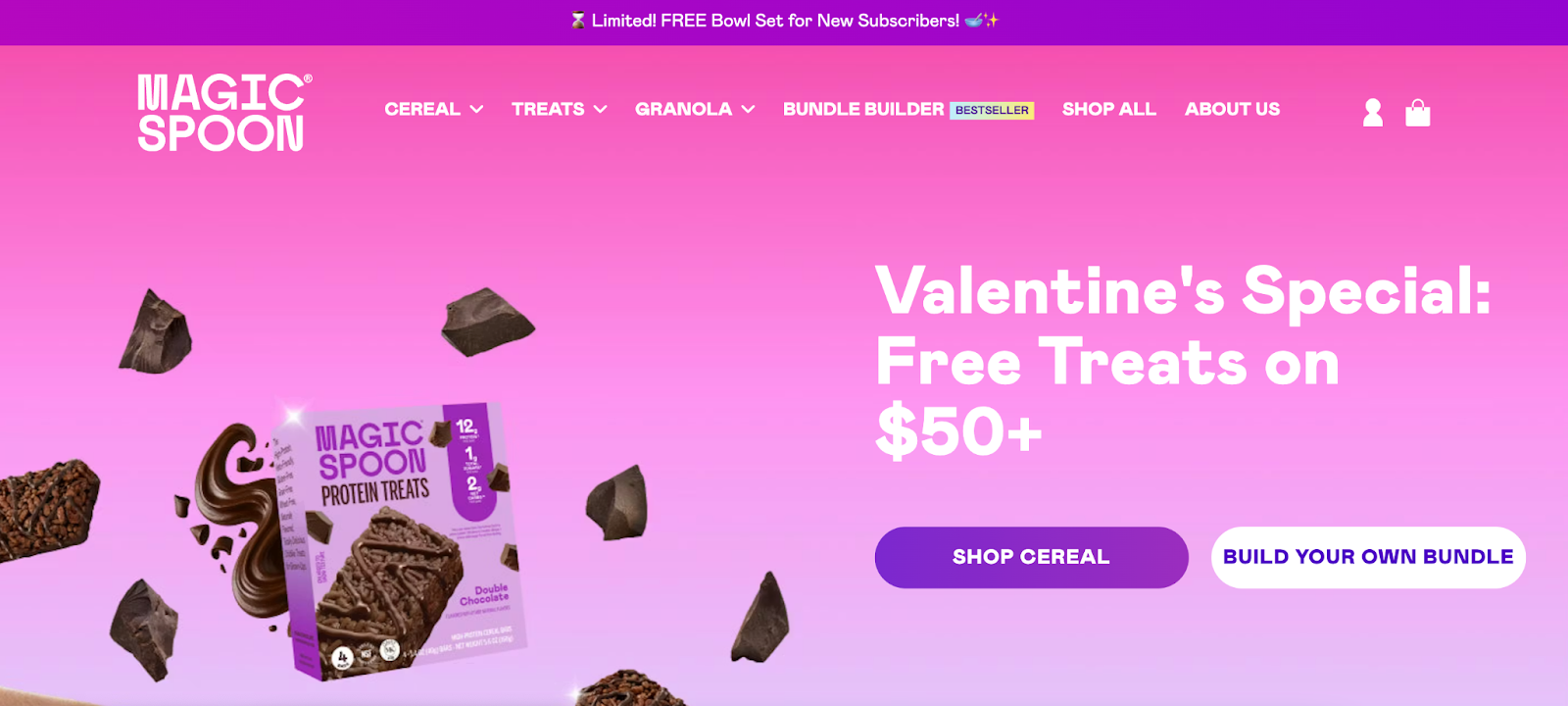
Estimated revenue: $50+ million
Magic Spoon reinvented cereal by making it healthy — low carb, high protein — and leaned hard into nostalgia-driven design. Their site prominently features press testimonials from Forbes, Fast Company, and others, which builds instant credibility with new visitors.
What to learn: Social proof from recognizable publications can significantly increase trust and conversion.
17. KITH
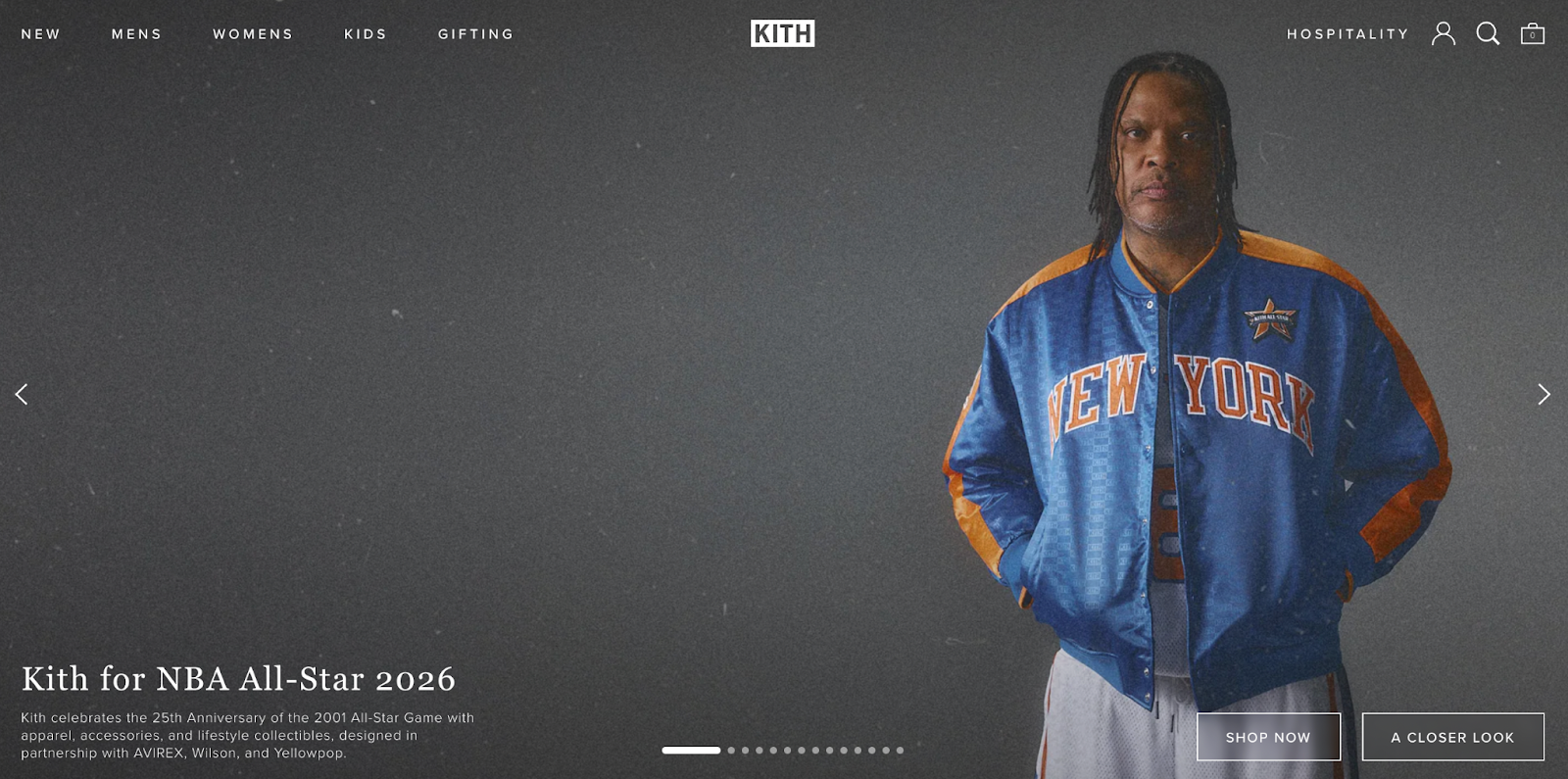
Estimated revenue: $340+ million
KITH blends fashion with experiential retail. Their flagship stores, designed in partnership with Snarkitecture, and KITH Treats ice cream parlors create offline experiences that drive online conversation. In a saturated fashion market, going experiential is a brilliant differentiator.
What to learn: Don't underestimate offline experiences as a traffic driver for your online store. Events, pop-ups, and installations get people tagging and talking.
18. Pipcorn
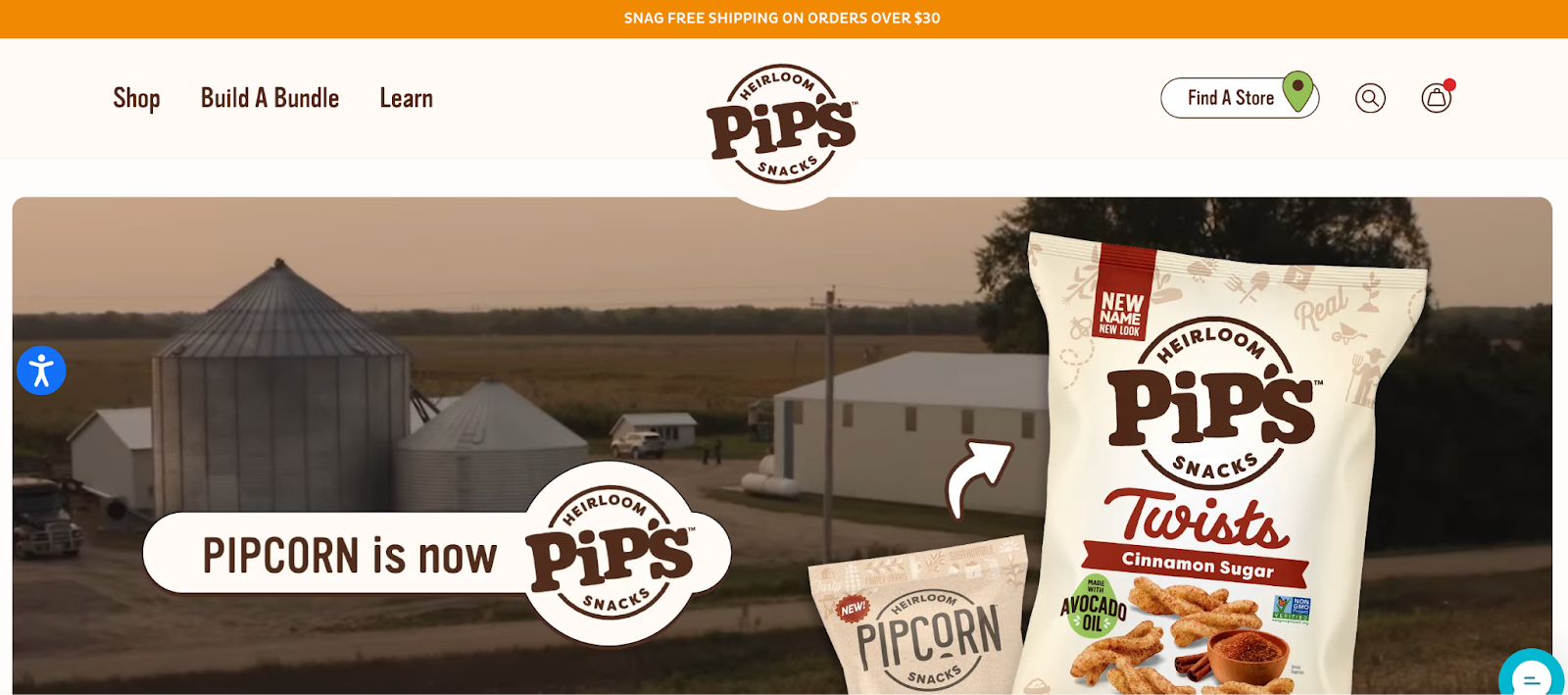
Estimated revenue: $10+ million
Pipcorn is a family-owned heirloom snack brand that went viral after appearing on Shark Tank and has maintained momentum through clean branding, a sustainability message, and a focused product line. Their site is a masterclass in simplicity — limited SKUs, clear messaging, and beautiful product photography.
What to learn: You don't need hundreds of products. A focused catalog with strong branding can outperform sprawling selections.
19. Ruggable
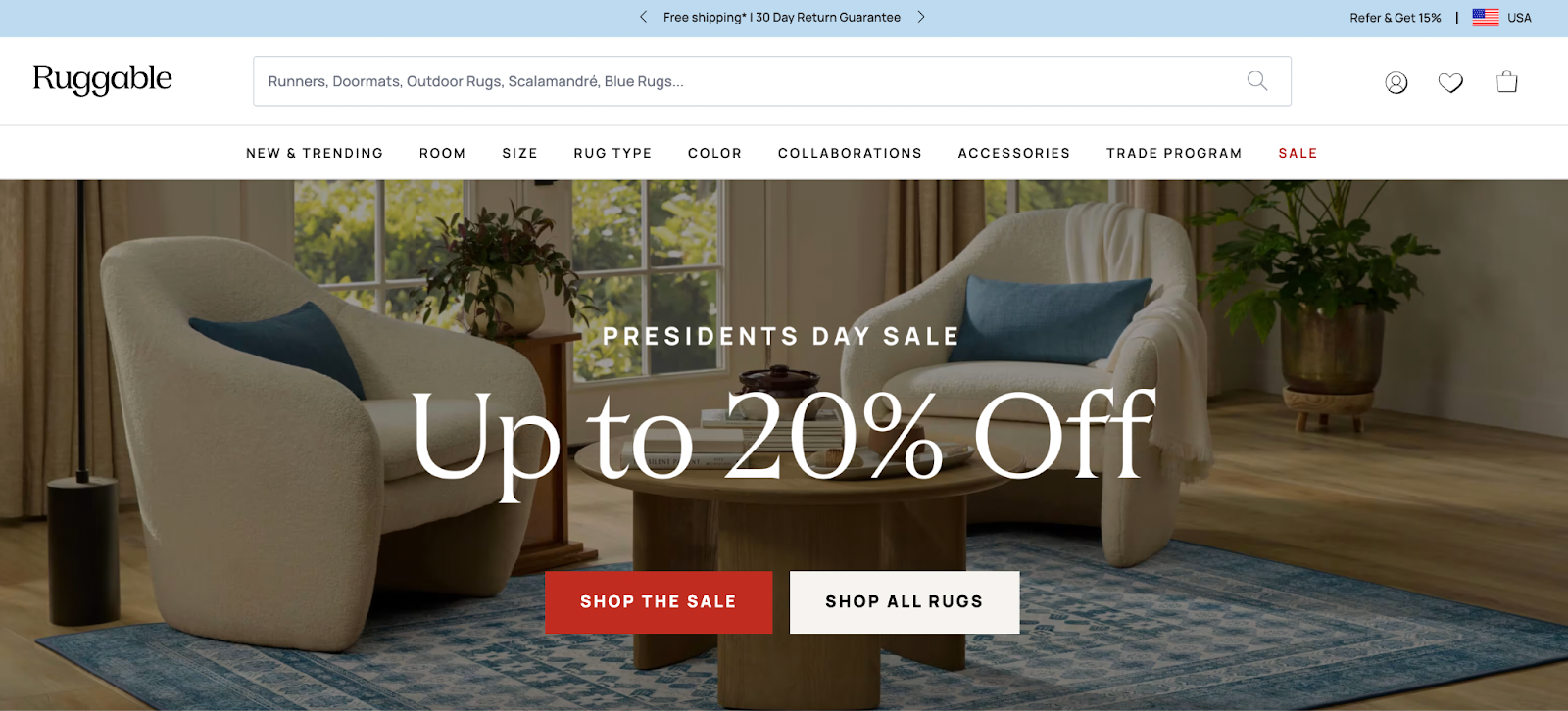
Estimated revenue: $330+ million
Ruggable solved a genuine consumer pain point — rugs that are machine-washable — and built a massive business by communicating that single benefit clearly. Their product pages are built around education and the practical value proposition.
What to learn: If your product solves a real problem, let that problem-solution narrative dominate your messaging.
Read next: Popup Timing & Triggers: When to Show Your Offer
20. Brooklinen
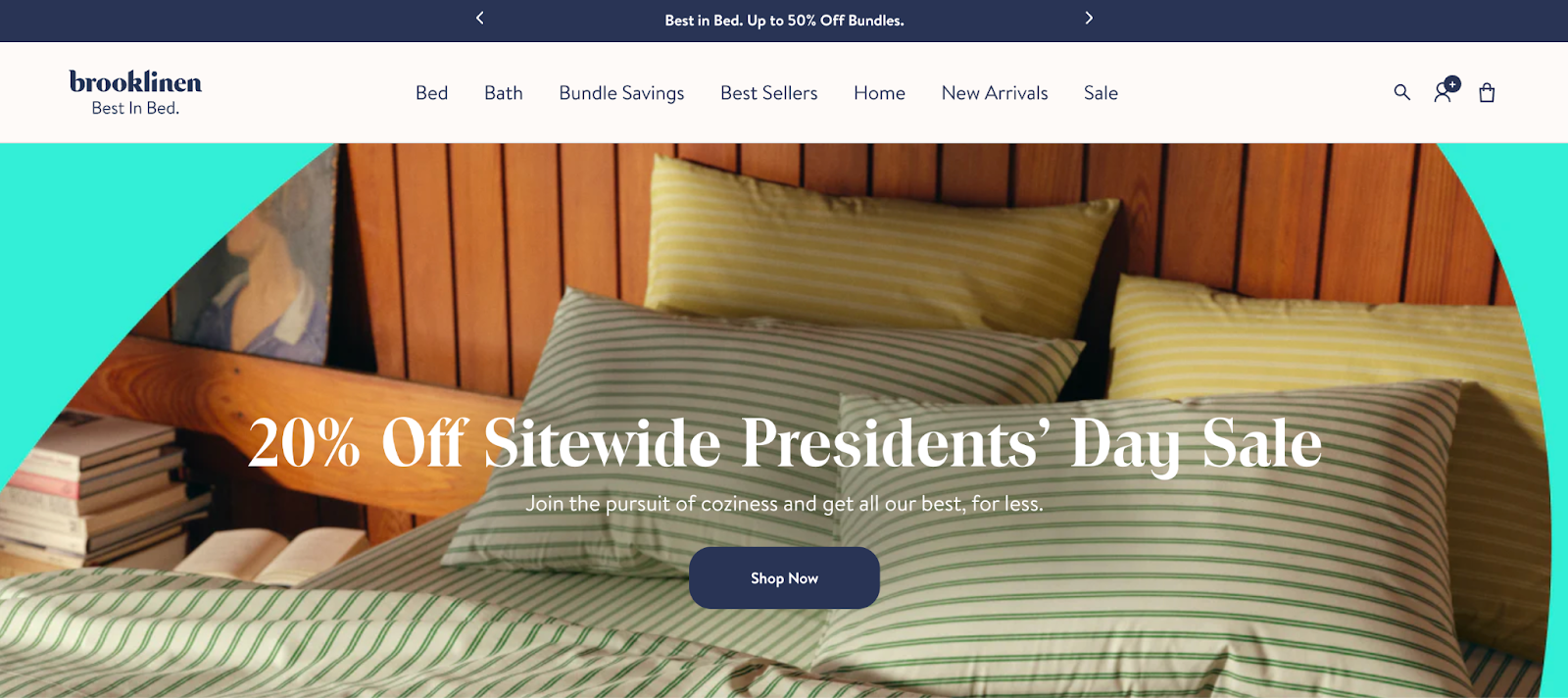
Estimated revenue: $200+ million
Brooklinen built a premium bedding brand by combining high-quality materials with a direct-to-consumer model that undercuts traditional retail prices. Their site uses clean photography and a comparison-based approach that makes it easy for shoppers to pick the right product.
What to learn: When selling premium basics, clarity and comparison tools help reduce decision paralysis.
21. Made In
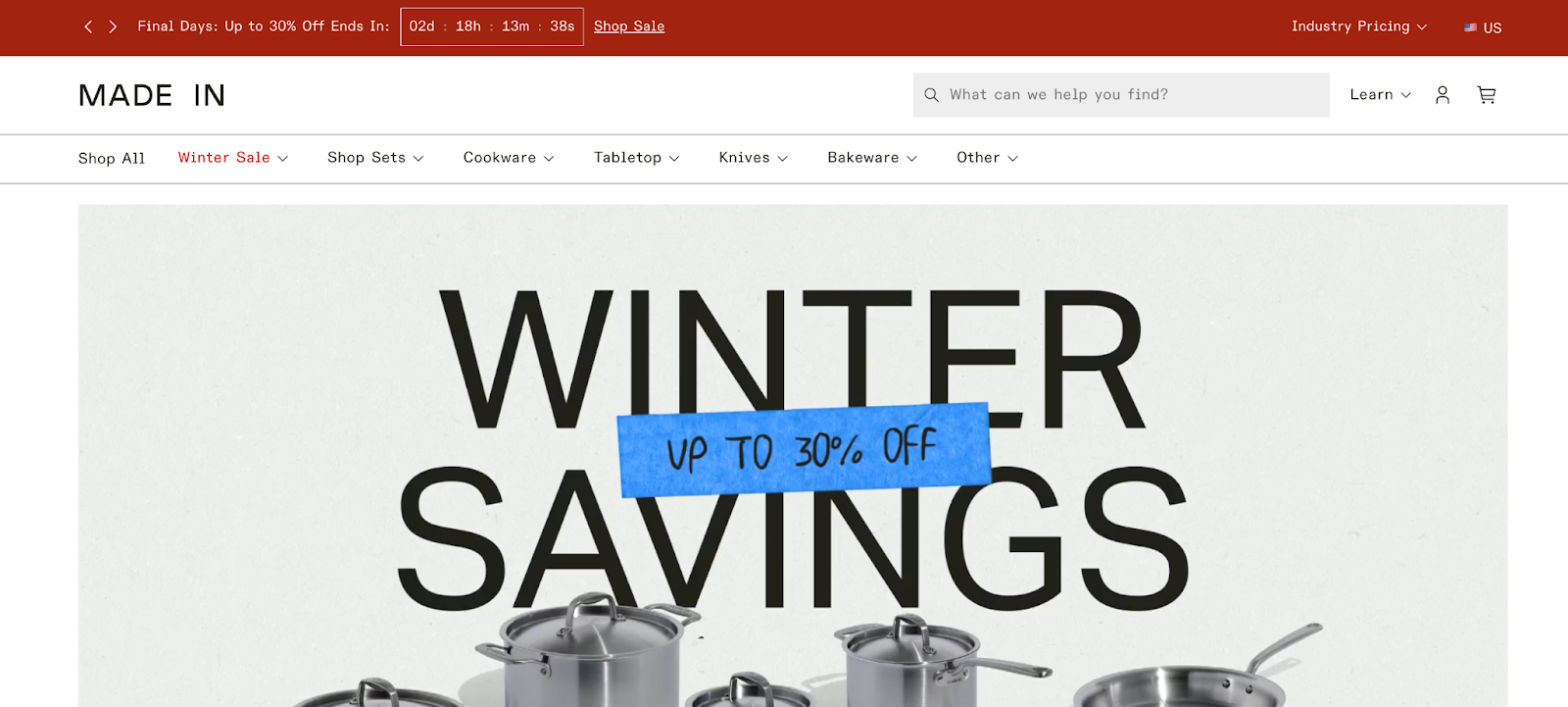
Estimated revenue: $50+ million
Made In brings restaurant-quality cookware to home cooks, with product pages that read almost like editorial pieces — detailed origin stories, material breakdowns, and chef endorsements. It's a brand that takes transparency seriously.
What to learn: For high-consideration purchases, detailed product information builds the confidence needed to buy.
22. MVMT Watches
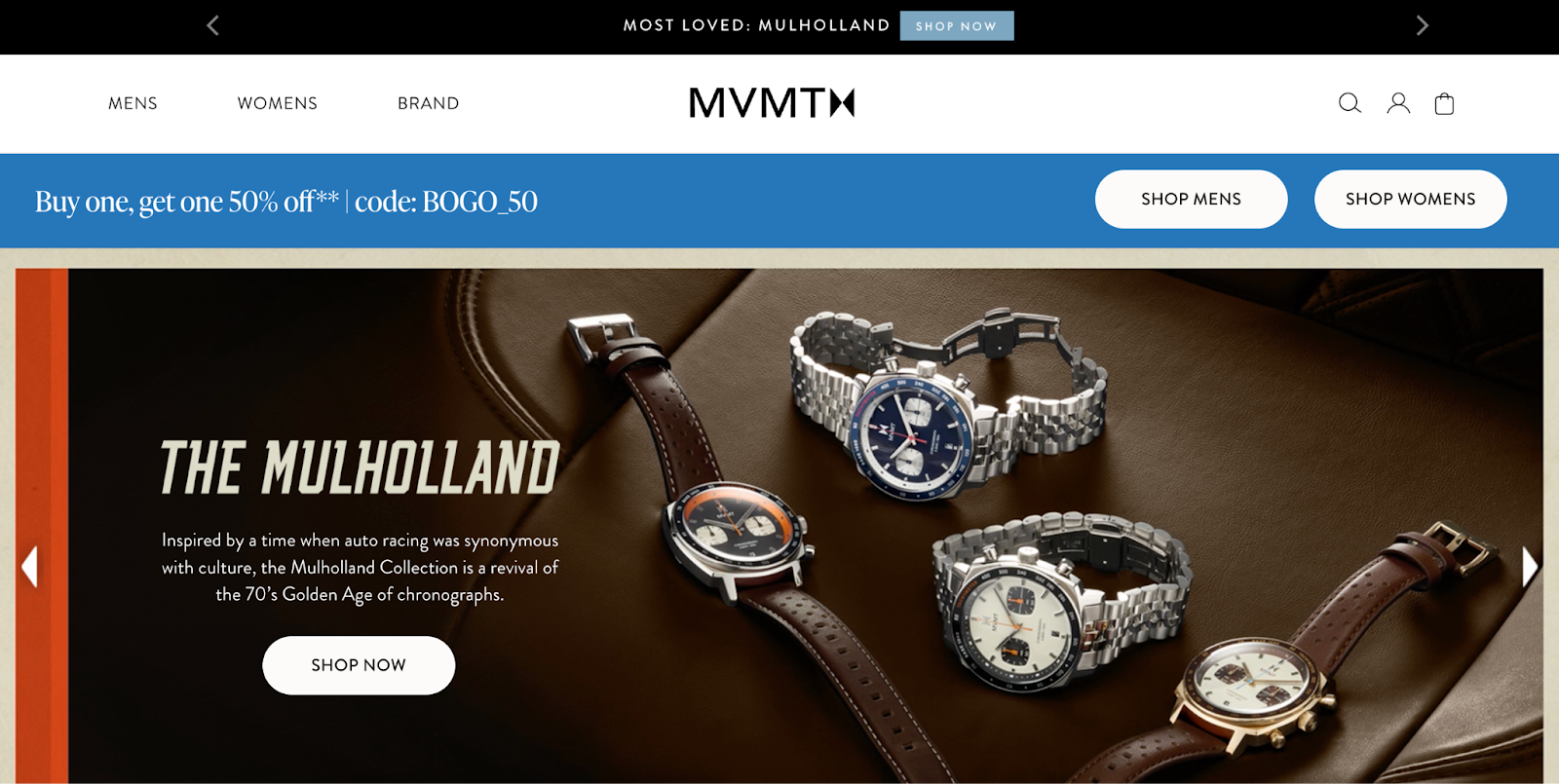
Estimated revenue: $80+ million
MVMT disrupted the watch industry by offering minimalist designs at accessible prices, primarily through social media marketing. Acquired by Movado Group in 2018, their clean Shopify store mirrors the brand's design ethos — no clutter, no friction.
What to learn: Your website design should mirror your product design. Consistency builds brand perception.
23. PopSockets — $30M+ Revenue
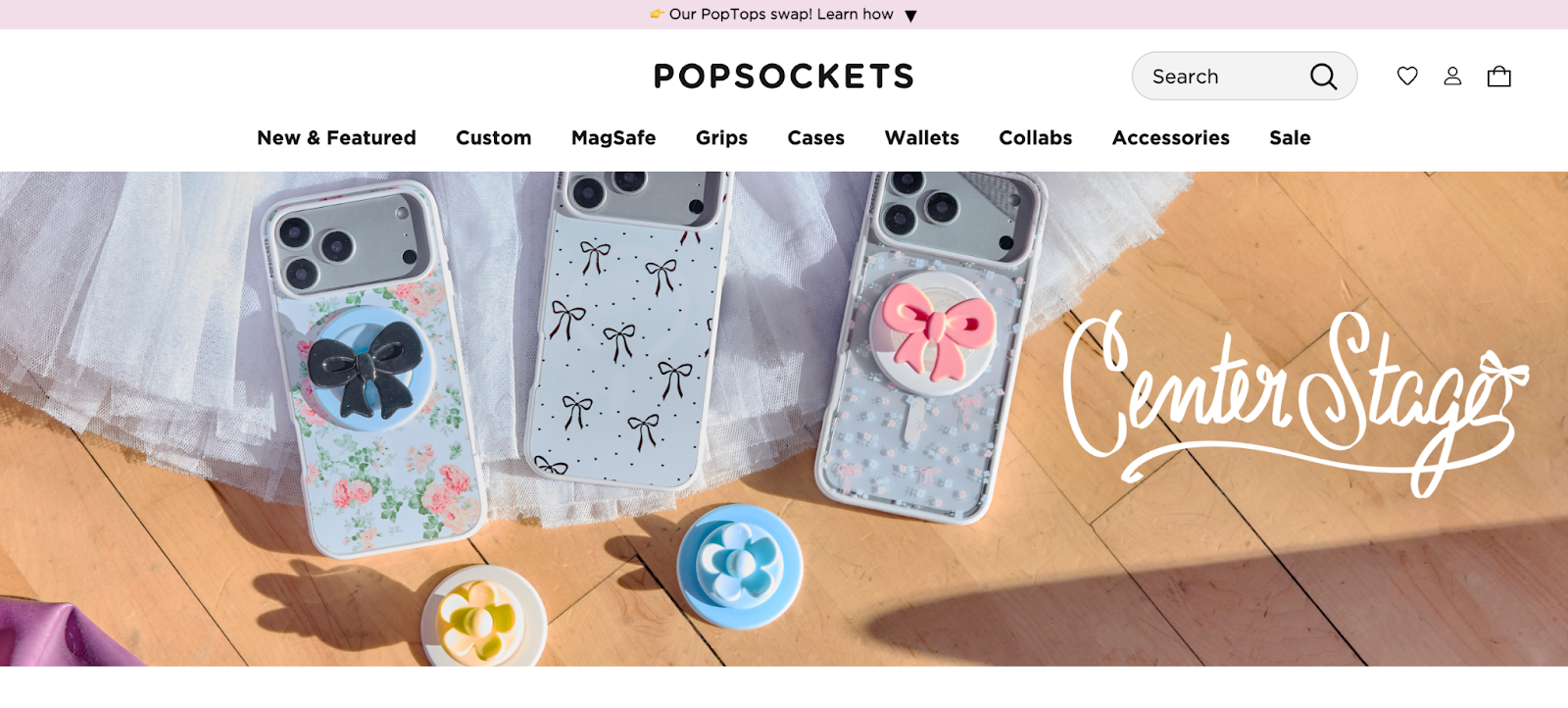
Estimated revenue: $80+ million
PopSockets turned a simple phone accessory into a global brand with deep customization options. Their Shopify store lets users design their own PopSocket, turning shopping into a creative experience.
What to learn: Customization tools increase engagement and time-on-site, and they make the product feel personal.
24. Pura Vida Bracelets
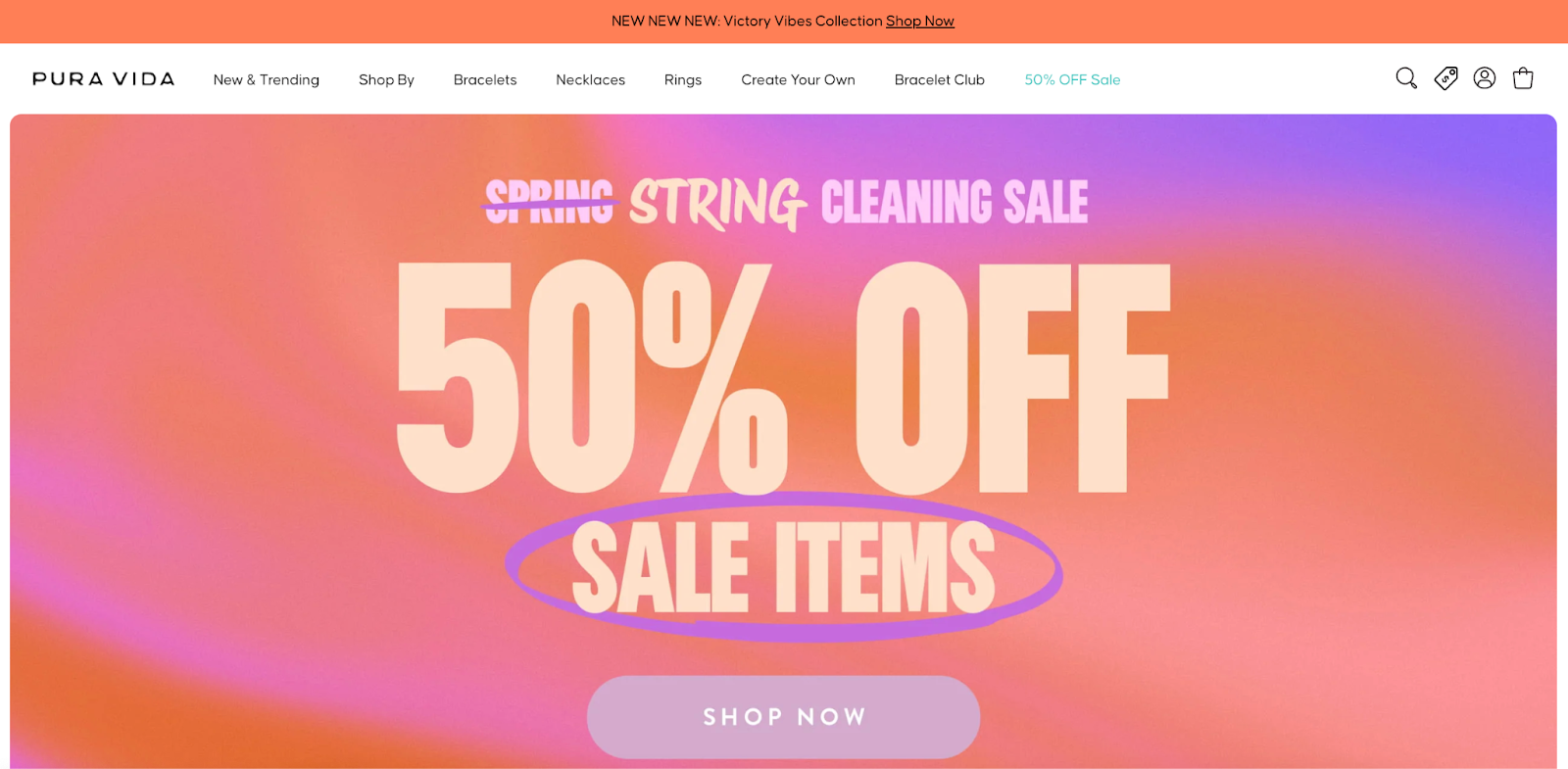
Estimated revenue: $50+ million
Pura Vida's genius lies in their "Buy One, Give Back" model and subscription programs. They've built an incredibly loyal customer base that treats purchases as both fashion and philanthropy.
What to learn: A strong mission + a subscription model creates recurring revenue and emotional loyalty.
25. Kylie Cosmetics
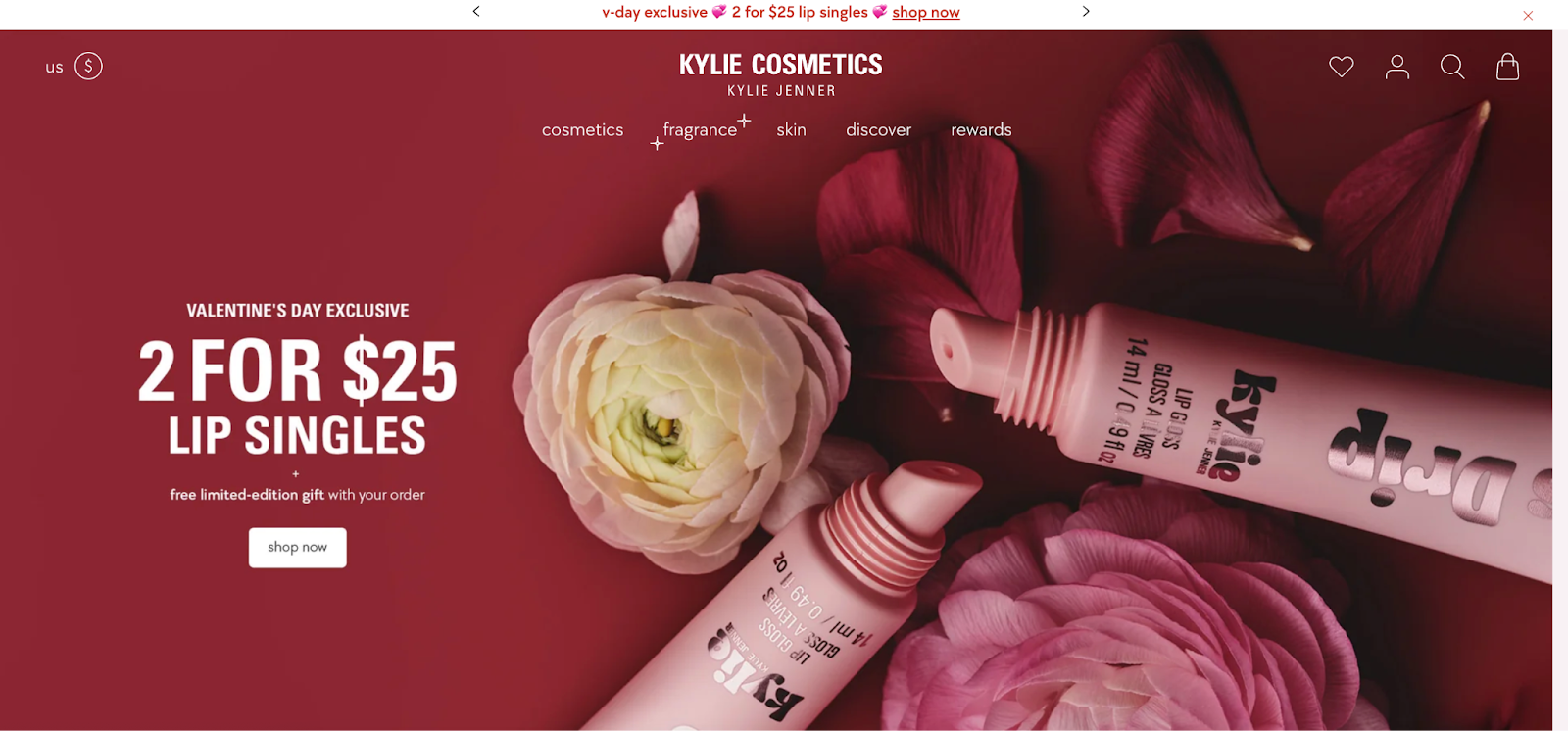
Estimated revenue: $400+ million
Kylie Cosmetics mastered the art of hype-driven launches. Limited drops, massive social reach, and a DTC model built on urgency helped Kylie build one of the most talked-about beauty brands in e-commerce.
What to learn: Scarcity and social proof create urgency. Limited drops and influencer-powered launches can generate enormous demand spikes.
Read more: 8 Limited Time Offer Examples That Drive Sales
26. Bombas
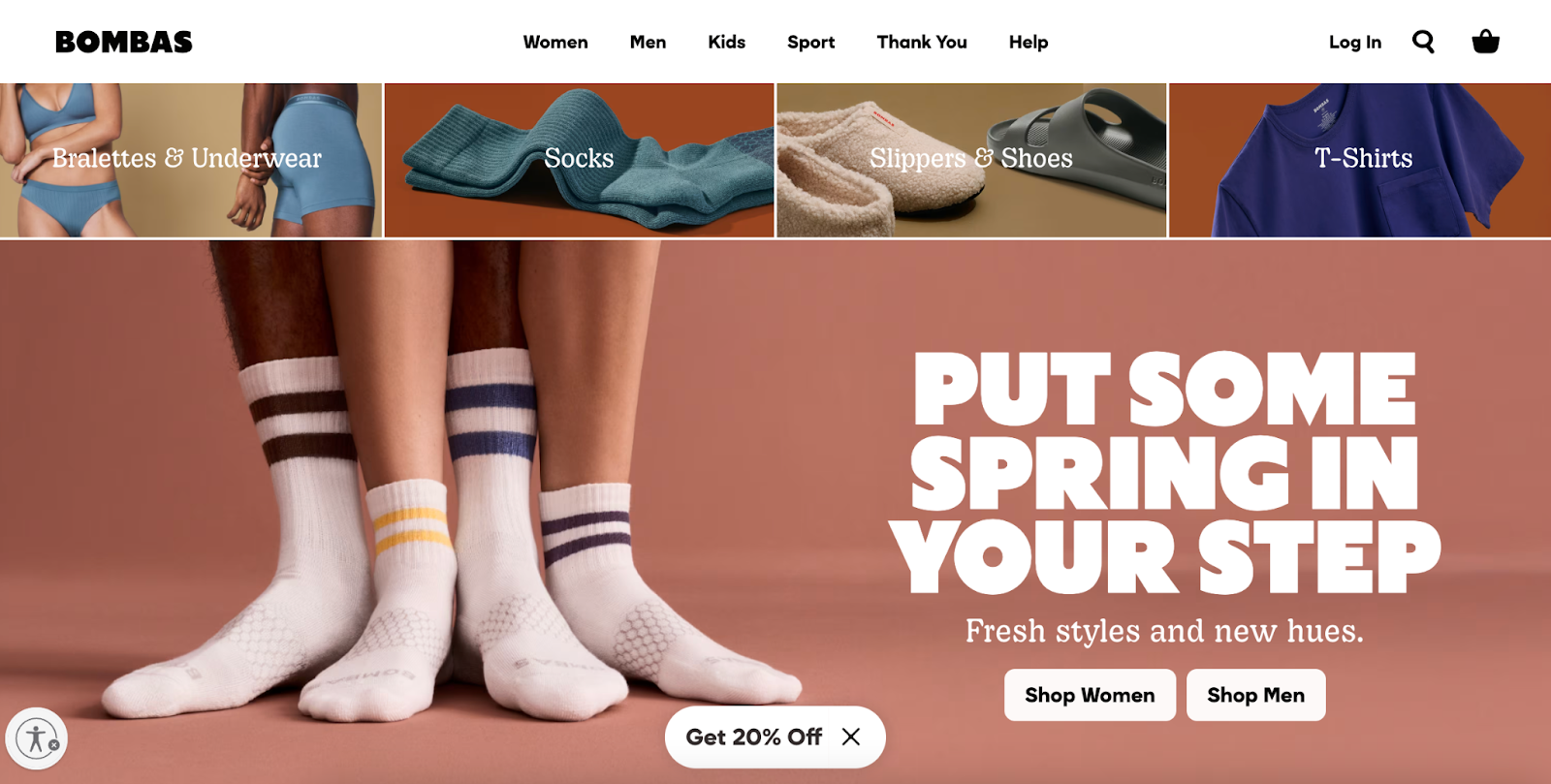
Estimated revenue: $400+ million
Bombas built an apparel empire — starting with socks and expanding into underwear, T-shirts, and slippers — by combining a buy-one-give-one model with genuinely excellent product quality.
Bombas's strategic insight was obsessing over product quality in a category everyone else treated as commodity: they engineered socks with features like a honeycomb arch support system and blister tabs.
Their story resonates because it's simple: they learned socks were the most requested clothing item in homeless shelters, and they built a brand around solving that problem.
What to learn: The best brand stories are rooted in a real, relatable insight.
27. Beardbrand
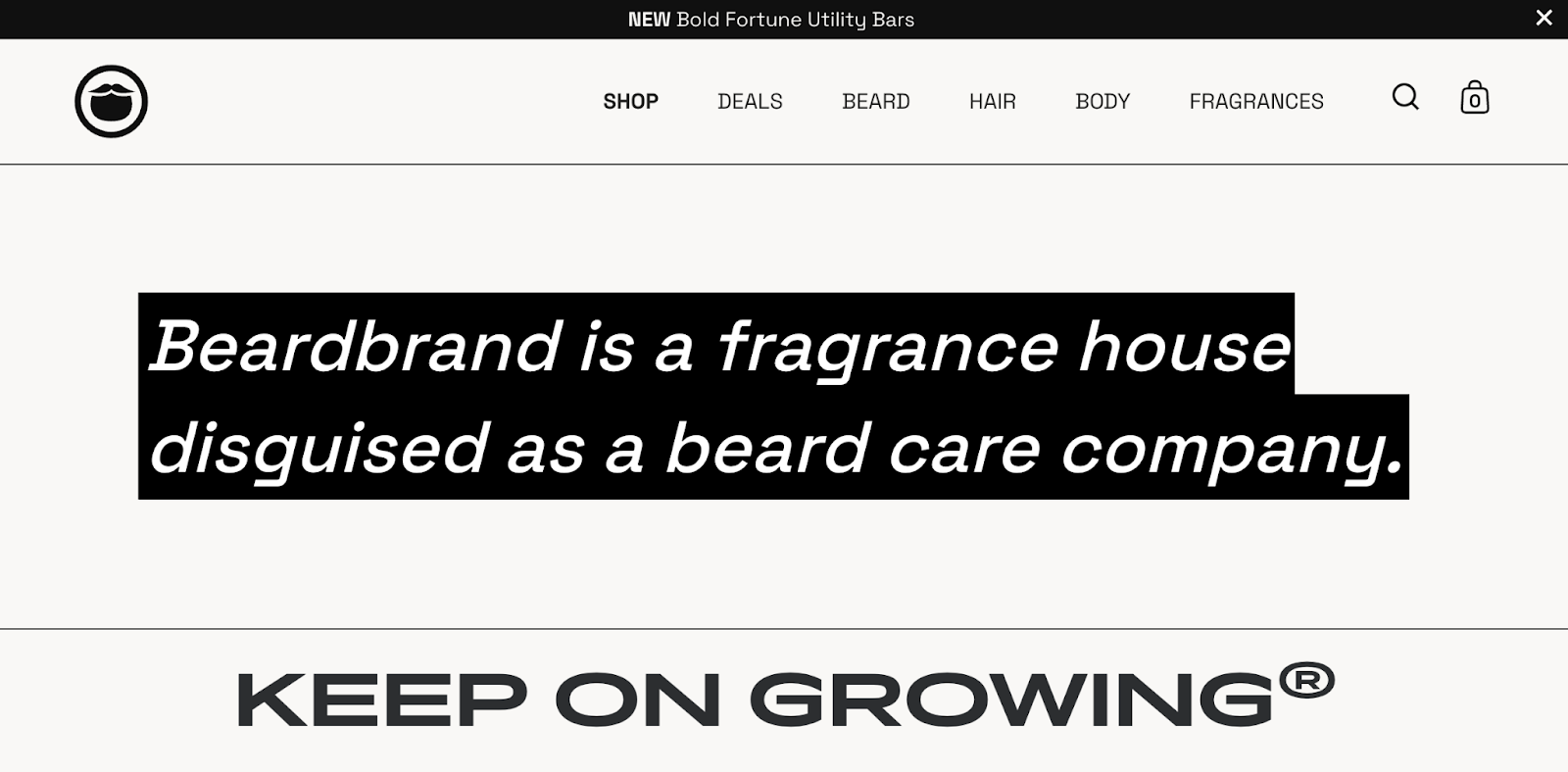
Estimated revenue: $1.5+ million
Beardbrand didn't just sell grooming products — they built an entire media company around men's grooming education. Their YouTube channel and blog drive the majority of their traffic, making content their primary acquisition channel rather than paid ads.
One clever conversion tactic: In 2018, Beardbrand offered free downloadable posters that require going through the full checkout flow — where related paid products are displayed, turning a freebie seeker into a buyer.
What to learn: Content-first brands can build sustainable traffic channels that don't depend on ad spend.
Read next: The Ultimate Guide to Customer Education on Your E-Commerce Site
Key Takeaways from the Best Shopify Stores
After looking at these 25+ stores, a few patterns stand out:
Brand identity is non-negotiable. The most successful stores — Gymshark, Chubbies, Allbirds, Death Wish Coffee — all have an unmistakable point of view. Generic branding doesn't build loyalty. Read next: How to Launch an Ecommerce Loyalty Program Users Love.
Community beats advertising. Brands that invest in community (challenges, UGC, content, social) build more sustainable growth than those relying purely on paid acquisition.
Product pages should educate, not just sell. The best stores use their product pages to tell stories, show social proof, and reduce purchase anxiety — especially for higher-priced items.
List building is a compounding asset. Many of the fastest-growing DTC brands on this list treat email and SMS capture as a core growth lever, not an afterthought.
Simplicity wins. The stores that convert best are the ones that make it easy to understand what they sell and why it matters.
From Inspiration to Execution
The most successful Shopify stores of 2026 prove that there is no single path to the top, but there is a common thread: ownership. Whether it’s Gymshark’s community, Allbirds’ sustainability, or Portland Leather’s data-driven conversion, these brands don't just sell products—they own their categories.
To win in 2026, you must move beyond a "set it and forget it" mentality. By studying these industry leaders and implementing a high-performance tech stack, you can turn a simple storefront into a global powerhouse. Stop just building a store—start building a brand.
Ready to scale like the top 1%? Join brands like Graza and Portland Leather by using Alia Popups to turn your traffic into a high-converting email and SMS machine.


.webp)




.webp)